Repair and maintenance
What causes the defects reported in roofing complaints?
In brief
Begin by establishing whether the damage was visible on delivery. Material, transport, storage, installation or later use can all be the source, and a leak or a change in appearance alone does not identify who is responsible. Reconstruct the cause and gather documentation: product markings, photographs and the conditions in which the defect appeared. A crushed edge, scratch or deformed sheet may stem from transport and unloading; inspect the packaging and available components, and record any discrepancies found. Check colour and coating type before most of the roof is in place.
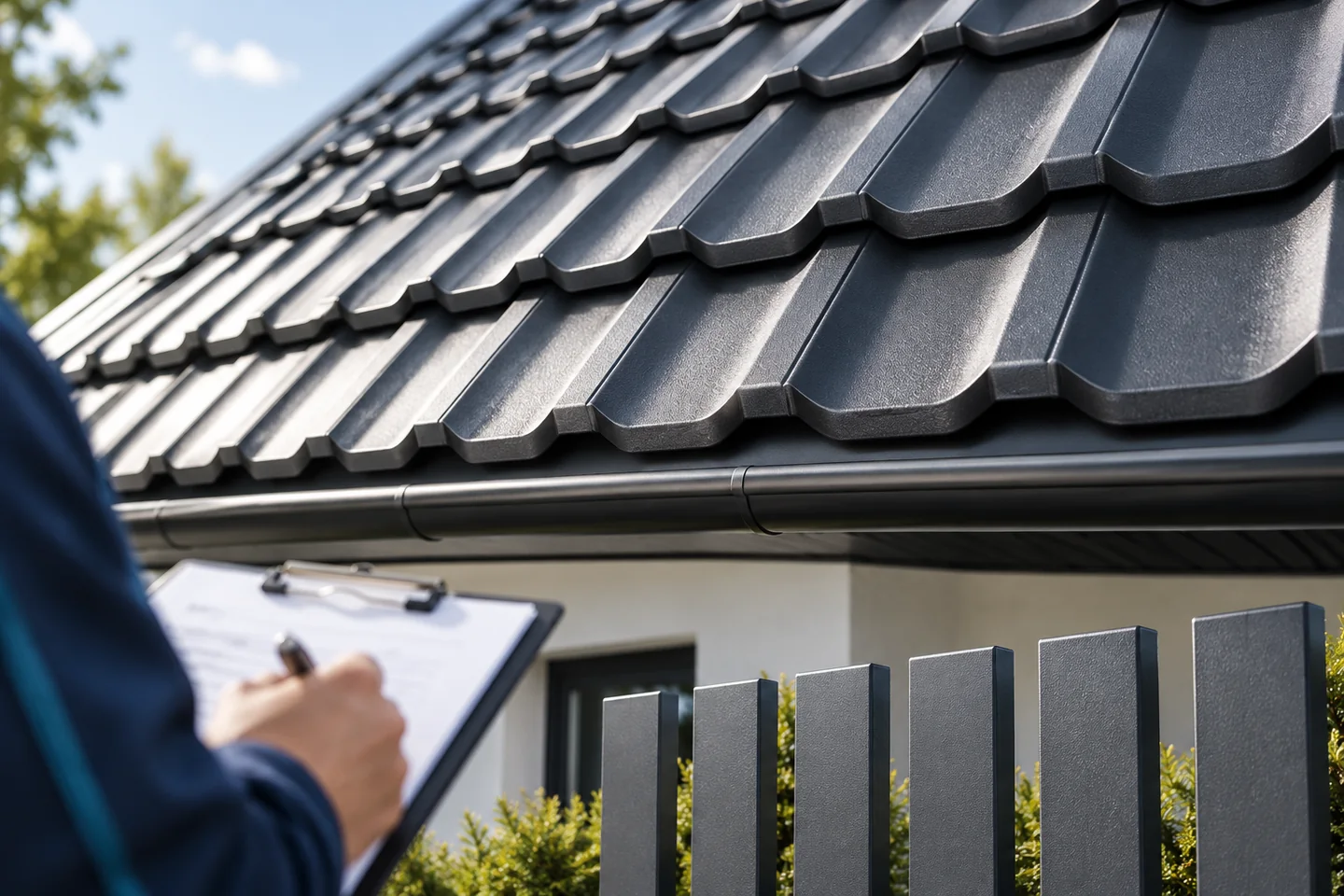
Did the problem arise before installation?
A crushed edge, scratch or deformed sheet may be the result of transport and unloading. Checking the delivery establishes whether the damage was visible before work began. Inspect the packaging and the accessible components, and document any discrepancies found. Do not postpone checking the colour and type of coating until half the roof has been laid.
Not every mark on the surface carries the same weight. Loose dirt, damage to the paint and deformation of the seam require different handling. If a component does not match the order or raises doubts, clarify them before use. Later assessment is more difficult once the material has been cut, repainted or combined with other batches.
What can improper storage cause?
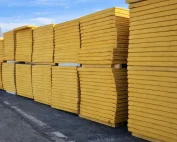
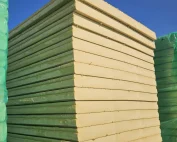
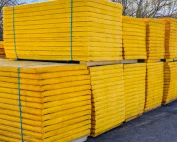
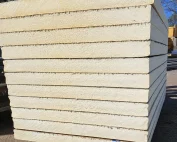
Moisture trapped between the sheets encourages damage to the coatings. A pack left without proper ventilation can corrode even though the steel sheet is intended for outdoor use. Conditions in a tight stack differ from those on a finished roof. Water has limited drainage, and the surface does not dry as it would on a single sheet.
The deadline for removing the protective film also matters. Under the influence of the sun it may adhere to the surface and make cleaning difficult. The limits depend on the specific product. Keep information on the production and delivery dates, and store the material in accordance with the instructions. If the pack gets wet, do not wait passively for installation. Determine how to separate and dry the components.
Which installation errors must be taken into account?
Incorrect cutting, left-over swarf and over-tightened screws can damage the covering. An angle grinder overheats the edge and scatters hot particles. An unsuitable fastener may not provide adequate fixing in the substrate. These marks often only become apparent after some time, so it is worth documenting the installation stage as well.
A separate group of problems concerns the details. Too small an overlap, incorrect chimney flashing and a blocked roof valley can lead to leaks without any defect in the steel sheet itself. The roof pitch and the plane of the substrate should also be checked. A product cannot be reliably assessed in isolation from the way it is used. The instructions and the design are important points of reference.

Does a colour difference always mean a defect?
The shade depends on the batch, the type of coating and the viewing conditions. Matt and gloss may look different even with the same colour designation. On a large roof area, the direction in which the components are laid also has an influence. With a later delivery, the difference may be increased by natural ageing of the part exposed to the sun earlier.
This does not mean that every difference is acceptable. The order, the markings and the assessment conditions specified for the product must be compared. A phone photo in harsh light can distort the image. It is worth documenting under several conditions and keeping a sample or an unused component. When ordering a large roof, it is advisable to ensure consistency of supply from the outset.
How can you tell a leak from condensation?
Water inside the building does not always pass through the external covering. It may condense on its cool underside. In that case, ventilation, insulation and tightness from the interior are subject to assessment. If the problem occurs after a cool night without rain, this is important information. However, it does not constitute standalone evidence without an inspection.
Record the moment the dampness appears and the weather conditions. Check the accessible layers and the path of the water. A stain on the ceiling may be far from the source. A good diagnosis allows the repair to be directed to the right place. Applying sealant to random joints can make later assessment more difficult and may not remove the actual cause.
How do you prepare a factual report?
Collect the purchase document, the profile name, the coating type and the batch markings. Describe the symptom, the date it was noticed and the actions taken so far. Attach photos of the entire roof and of details with a reference measure, if needed. Do not limit the description to stating that the roof is bad. Specific information makes it easier to organise the inspection and determine the next steps.
Before any major intervention, agree how the condition will be secured and documented. An urgent leak must be contained, but it is worth preserving evidence of its cause. The scope of entitlements depends on the basis of the report and the documents, so not all problems should be equated with a single warranty. The aim of the first stage is to establish the facts reliably. Only on this basis can the appropriate repair and responsibility be assessed.
7 branches. Materials closer to your project.

- SEROCK — Dzierżenin 34 E
- BŁONIE — ul. Sochaczewska 138A
- RADOM — ul. Grobickiego 8
- ŁÓDŹ — Natolin 8
- OLSZTYN — Barczewo, ul. Prosta 9
- WROCŁAW — ul. Jerzmanowska 10C
- GORZÓW WLKP. — ul. Zielona 33/34