Tile-effect metal roofing
How to judge tile-effect roofing sheets before placing an order
In brief
When buying tile-effect metal roofing, compare a sample with the quotation and the documents for the exact model on offer. Examine the pressed profile in daylight. Check the sheet dimensions in the data sheet and distinguish the thickness of the steel core from that of the coating. Moisture, exposure to salt and sunlight at the site all matter when choosing a finish. Make sure the declaration of performance and the installation instructions cover the version you intend to order. Read the warranty separately for leaks and for changes in appearance.
What does the product documentation say?
A good offer lets you establish what you are actually buying. It should specify the profile model, the nominal sheet thickness, the type of coating and the sheet dimensions. Also ask for the declaration of performance and the installation instructions. The documents must relate to exactly the version of the product that will arrive on site. A catalogue of the whole collection does not replace such identification.
The thickness of the steel core and the thickness of the coating are two different quantities. The first is usually given in millimetres, the second in micrometres. A sheet with a nominal thickness of 0.50 mm does not become a thicker structural sheet thanks to an additional layer of paint. Also assess the tolerances and the steel grade. Only the combination of this information allows two seemingly similar offers to be compared.
How to check the precision of the pressings?
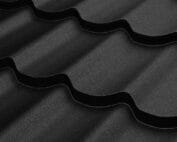
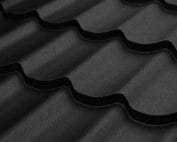
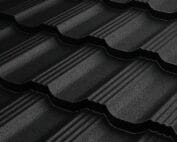
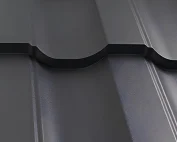
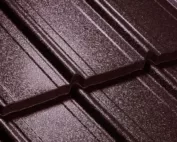
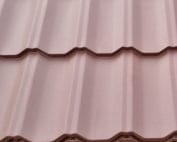
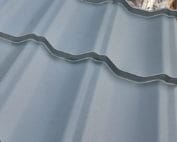
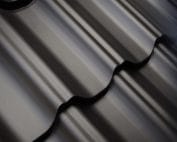
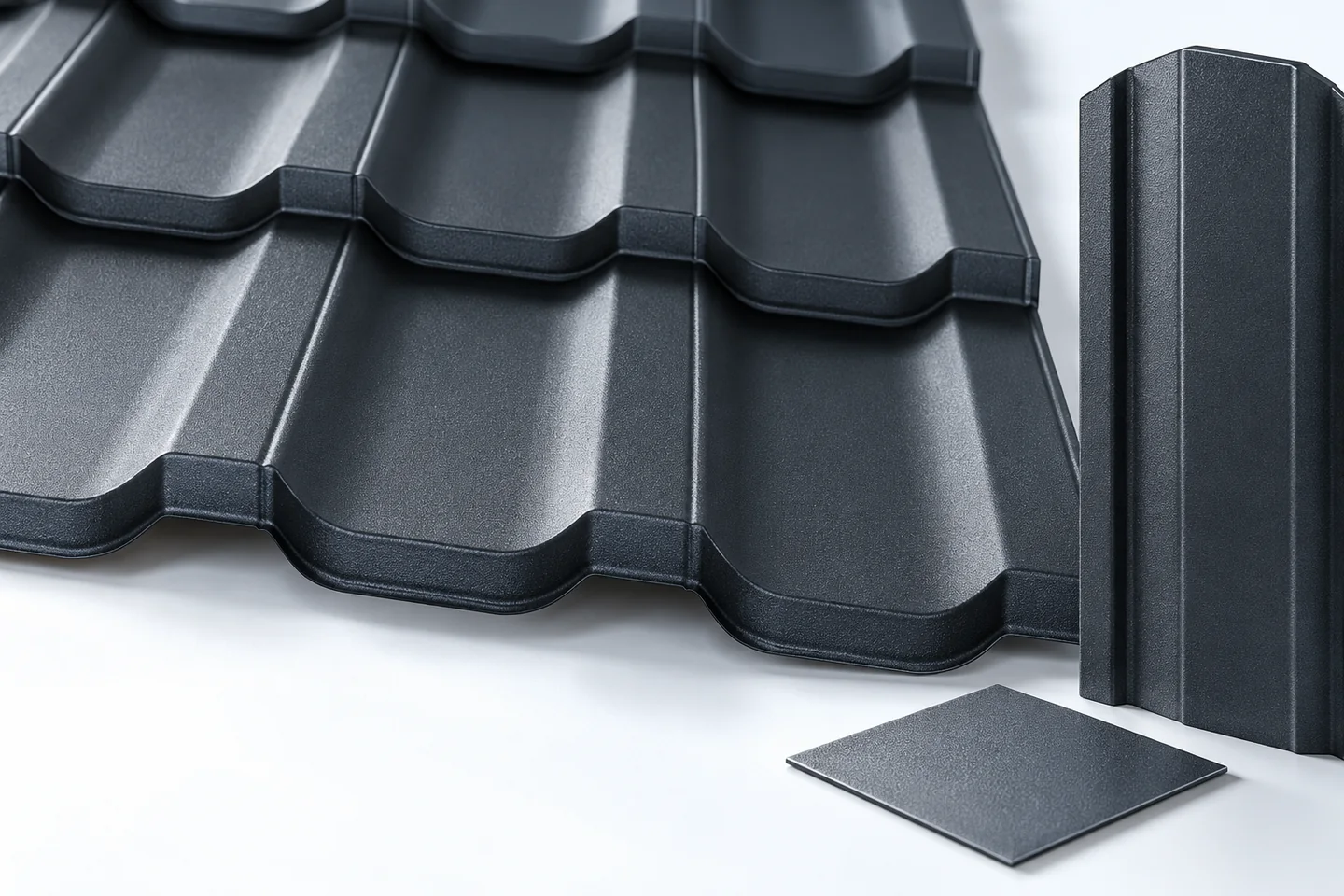
Look at the sheet at an angle, preferably in daylight. The waves should form a regular rhythm, and the edges must not be crushed. Check the overlap areas and the ends of the modules. With a sample made up of two sheets, it is easier to see whether the elements fit together. Do not press them together by force to hide a difference in shape.
Minor irregularities in appearance do not always indicate a material defect. The acceptance of the surface also depends on the light and the type of finish. However, clear bends, cracks in the coating and damage to the corners are concerning. Such marks may already arise during transport. That is why assessing the sample at the point of sale and checking the delivery on site serve two separate functions.
Which coating is worth choosing?
First assess the surroundings of the building. Conditions differ near a forest, near the sea and near an industrial plant. Moisture, salinity, pollution and solar exposure all matter. The choice of coating should take these factors into account. Information on corrosion resistance or UV resistance must relate to a specific solution.
Matte and gloss primarily describe the appearance. They do not constitute an independent scale of durability. Likewise, a polyurethane coating does not automatically guarantee suitability in every environment. Check the conditions of use and any exclusions. For a demanding location, ask for written confirmation of the selection. This is more practical than comparing trade names alone.

How to read the warranty terms?
Separate the warranty for tightness or perforation from the aesthetic warranty. These scopes may have different terms and cover different events. A change of shade is not the same as corrosion leading to a hole. Also check who provides the protection, which documents must be kept and whether the purchase must be registered.
In the conditions, look for obligations regarding inspections, cleaning and repair of damage. Pay attention to the distance from the coast and contact with aggressive substances. A long warranty period does not mean no maintenance. When comparing products, compare the same scope of protection. Two numbers written in large print on leaflets can mean completely different obligations.
Is a small module better than a long sheet?
Modular tile-effect metal roofing makes it easier to carry and plan the covering on a roof with numerous slopes. Sheets cut to size can reduce the number of transverse joints on straight roof slopes. No format in itself determines quality. What matters is matching the solution to the roof geometry and the possibilities for transport and installation.
Compare the effective area. A sheet contains overlaps, so its overall dimension is not the covering area. Ask for a layout drawing and a list of cut-offs. This matters especially with hip roofs and dormers. A reliable quote shows the number of sheets needed, not just an attractive rate per square metre of material.
What should you check when accepting a delivery?
Compare the batch markings, colour and coating with the order. Inspect the packaging, corners and accessible edges. Record transport damage and take photos. Do not postpone the inspection until the day of installation, when the pack will already be divided among several roof slopes. In case of discrepancies, clarify them with the seller before using the material.
Plan a dry, well-ventilated storage area and suitable support for the pack. Do not drag sheets over one another. After installation, ensure that swarf is removed and that flashings and fastenings are checked. Even carefully made tile-effect metal roofing can lose its advantages through improper storage or handling. A good purchase is therefore only complete when the roof is correctly laid and accepted.
7 branches. Materials closer to your project.

- SEROCK — Dzierżenin 34 E
- BŁONIE — ul. Sochaczewska 138A
- RADOM — ul. Grobickiego 8
- ŁÓDŹ — Natolin 8
- OLSZTYN — Barczewo, ul. Prosta 9
- WROCŁAW — ul. Jerzmanowska 10C
- GORZÓW WLKP. — ul. Zielona 33/34