Panel cladding
Checks before using second-grade 100 mm wall panels
In brief
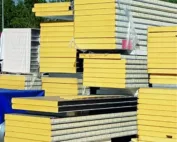
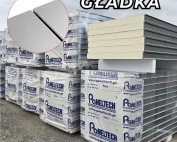
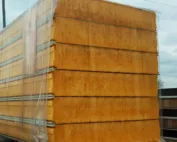
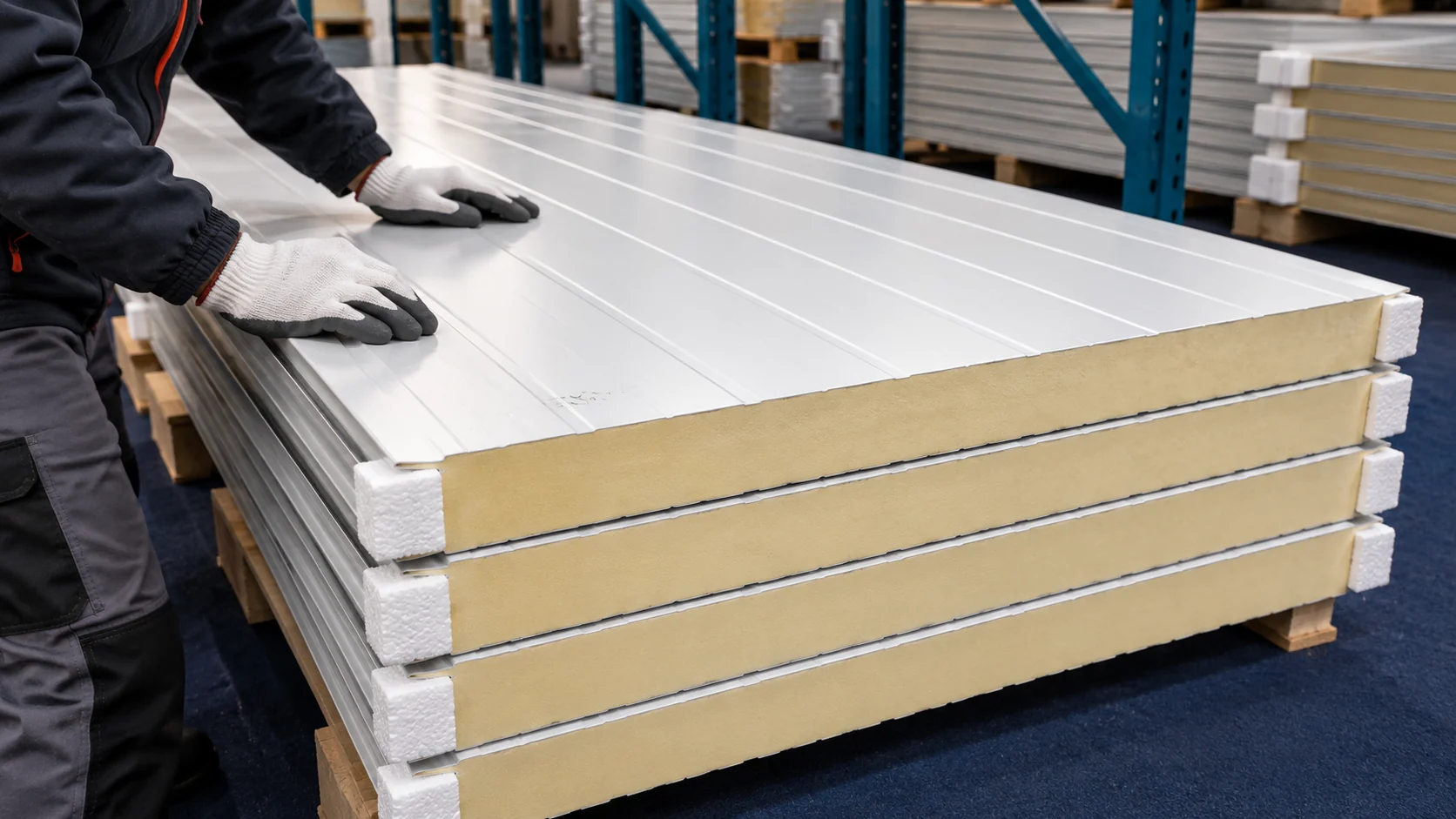
A good-looking surface does not explain why the panel was placed in second grade. The defect may concern colour, dimensions, edges or the bond between layers. With a 100 mm wall panel, the specific batch and the planned use must be assessed. Only then can you calculate whether the lower price will actually translate into a saving. Ask for a precise description of the reason for the downgrade. The term “second grade” does not indicate one common defect shared by all offers. It may cover various deviations, so information about the specific batch is needed. A photo of the whole pack does not replace inspection of the edges and surface.
What should be asked before inspecting the colour?
Also establish the core type and the parameters of the facings. A thickness of 100 mm does not allow you to infer thermal performance, weight or fire classification. If the panel is to meet the project requirements, you need confirmation of the properties of the specific variant. A mere assurance of a minor defect is not such confirmation.
Which damage matters for installation?
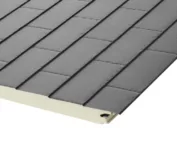
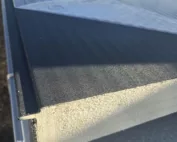
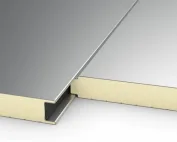
Inspect the interlocking joints along the entire length. A crushed edge can make it difficult to push the adjacent panel into place and to achieve a seal. Also check the panel ends and the points intended for fixings. Damage at a support can be more significant than a small scratch in the middle of the wall.
Look for detachment of the facing, cracks in the core and local deformation. Do not assume that all such defects are cosmetic. In a panel, the layers act together. If their bond has been compromised, an assessment of suitability is required. An additional screw or a repair does not automatically restore the original properties.
How should the batch be planned before installing the wall?
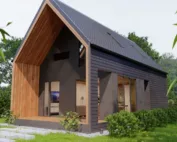
Calculate the cover lengths and widths of all elements. Then assign them to specific wall areas. In the model extension in Gostyń, shorter sections may fit above the low entrance area. However, this does not mean that every offcut can be used without an additional joint and support.
Check the installation direction and the compatibility of the interlocking joints. Do not mix random panel families just because they are 100 mm thick. Differences in width, geometry and facing profile can prevent connection. If the batch is not sufficient for the entire wall, determine how the stage will be completed before starting work.
When will the difference in appearance be visible after assembly?
A slight change in shade may be barely visible on a single panel but pronounced on a large façade. Gloss and the direction of profiling also affect the perception of the surface. Examine several elements side by side in similar light. This applies particularly to material from different batches.
If the coating defect exposes the steel, determine the repair method appropriate to the given finish. Not every scratch should be treated the same. More serious damage may require rejecting a section or component. Painting the entire wall after installation may also change the purchase calculation, so include it in the cost estimate in advance.
Assess the colour before fixing the first panel. Once the entire wall has been laid, swapping elements means new work on seals and fixings. Laying out the batch beforehand avoids this.

How do you calculate the saving after deducting unused panels?
Let us take, solely for the calculation, a batch of 50 m² at an agreed €18.52/m². The material cost is €926.00. If, after assessment and cutting, you use 42 m², the sheet itself costs approximately €22.05 per useful square metre. This is not a market offer, but an example of the effect of losses.
Add transport, cutting, repairs and missing elements to the calculation. Compare the total with a full-quality batch for the same wall area. If the second grade requires many joints or additional painting, the saving may be reduced. Timing is also important: waiting for missing panels may halt the next stage of work.
What agreements should be recorded at purchase?
The order confirmation should include quantities, dimensions and a description of known defects. Attach the agreed acceptance method and the rules for assessing the material. If the price applies to the entire batch, check whether individual elements that do not meet the agreed conditions can be rejected. Do not rely on assumption.
- Identify the specific type of 100 mm panel.
- Describe the defects and their distribution.
- Confirm the compatibility of the interlocking joints and the cover surface.
- Record the required documents and delivery conditions.
Carry out a final inspection before installation. Leaving problematic elements until the end of the wall can create a situation where there is not enough good material to close the building.
Short answers from the site
Does a minor colour defect always rule a panel out for the wall?
Not necessarily. However, it must be confirmed that the deviation relates only to appearance and that the properties required in the project are maintained. The decision should be based on the description of the specific batch.
Does an equal thickness of 100 mm guarantee a connection with another delivery?
No. The interlocking joints, cover width and facing profiles also matter. Compare the documentation and samples before joining batches. If there are differences, a separate wall termination may be needed.
7 branches. Materials closer to your project.

- SEROCK — Dzierżenin 34 E
- BŁONIE — ul. Sochaczewska 138A
- RADOM — ul. Grobickiego 8
- ŁÓDŹ — Natolin 8
- OLSZTYN — Barczewo, ul. Prosta 9
- WROCŁAW — ul. Jerzmanowska 10C
- GORZÓW WLKP. — ul. Zielona 33/34