Panel cladding
PIR or expanded polystyrene: what changes when you choose a roof panel core?
In brief
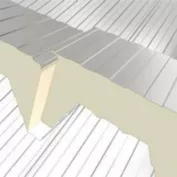
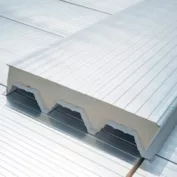
Changing the core affects more than the price per square metre of panel. For extensions, roof height, the method of fixing and compliance with project requirements also matter. PIR and polystyrene can serve as insulation in a panel, but they are not interchangeable without checking the parameters. See what to compare before approving an order. A PIR insulation board in a light facing and a roof panel with two steel sheets are different products. The first is an insulation layer. The second forms a casing element in a defined support arrangement. The price of the insulation alone does not allow the cost of a finished panel roof to be calculated.
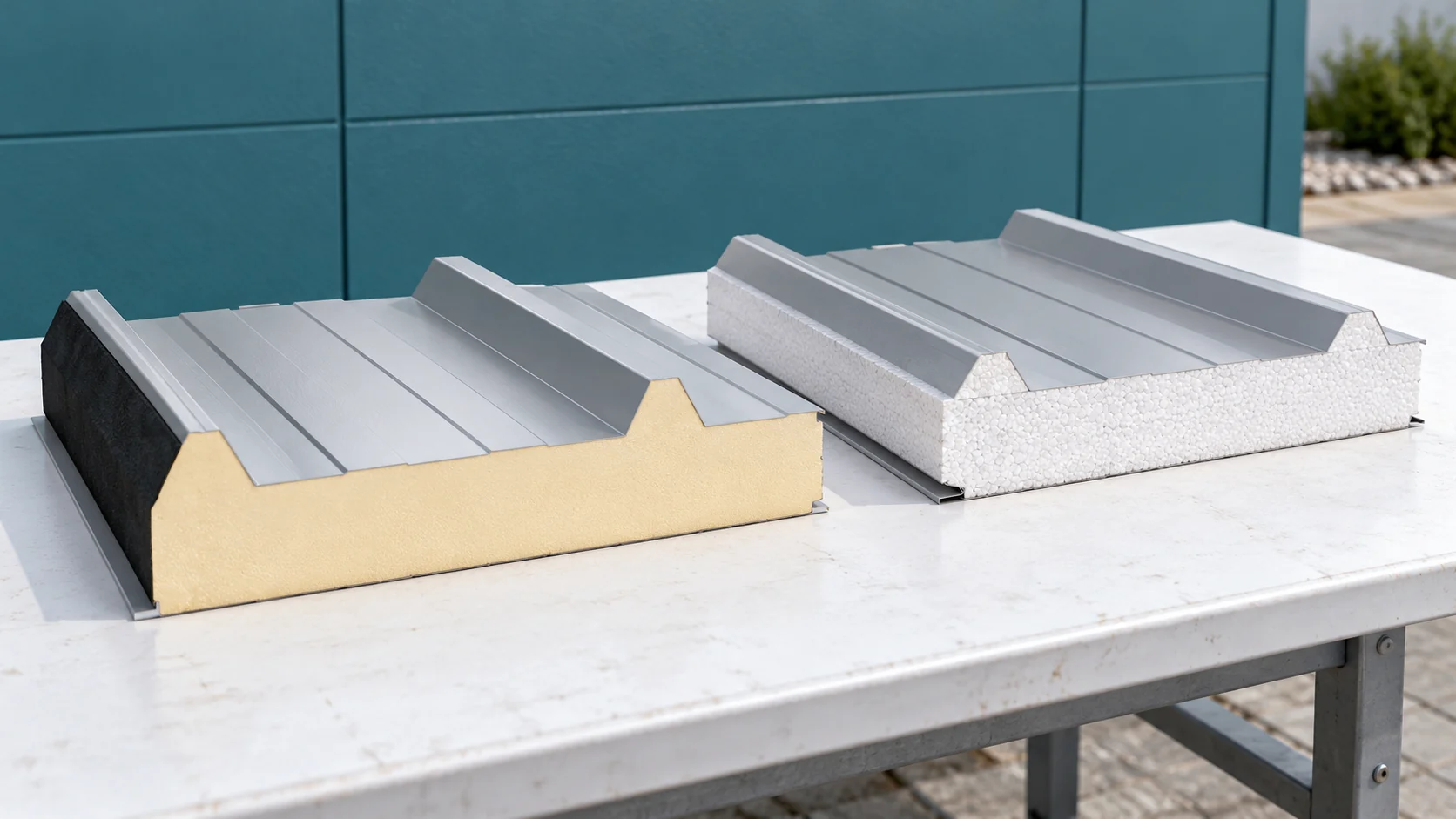
Are you comparing finished panels or just the insulation?
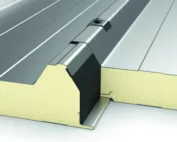
Distinguish in the same way between EPS for insulation and a panel with an EPS core. In the order, specify the type of facings, the roof profile and the core thickness. Ask for the parameters of the finished element. Transferring values from the data sheet of a loose EPS board to the whole panel ignores the influence of its construction and joints.
How does the core affect the required roof thickness?
PIR usually allows a high thermal resistance to be achieved at a smaller thickness than typical white EPS. However, the comparison must relate to specific declarations. Not every foam variant has the same thermal conductivity. Not every panel of the same thickness has an identical U-value either.
When replacing a roof, a smaller thickness can help preserve the height of flashings and penetrations. In a new part of the building, more space can sometimes be planned. Compare two solutions for the same thermal target. Only then check their price, weight and height. Comparing only two 100 mm boards does not give an answer that will ensure the required effect.
Does a lighter core mean a lighter finished roof?
Foam cores are light, but the steel facings account for a large share of the panel’s mass. Differences in sheet thickness can change the outcome of the comparison. Therefore, check the mass per square metre of the finished variant. For long panels, the weight of the individual element and the method of lifting it are also important.
The support arrangement is assessed on the basis of the tables for the selected panel. Low mass alone does not determine load-bearing capacity or permissible deflection. When extending, the existing purlins and connections must be examined. If the new panel requires different support, the cost of additional structural elements must be included in the comparison of offers.
What needs to be established regarding fire behaviour?
Do not describe the entire roof with the single word “fire-resistant”. The reaction of the product to fire, the fire resistance of the assembly and the requirements for external fire exposure are assessed separately. The results relate to specific assemblies and execution conditions. The type of core is only part of this assessment.
PIR and EPS are not non-combustible materials. The suitability of a panel is determined by the classification of the complete solution for the application envisaged in the design. Span, thickness, fixings and seals can all be relevant. Do not transfer the designation of one panel to another simply because both have steel facings.

How to compare costs when extending an operating facility?
Consider a model workshop in Włoszczowa. The new section is to be connected to the old roof, and the works must not interrupt operations for long. A cheaper panel may require more extensive flashings or a change of supports. A more expensive material may simplify the detail but must meet the remaining requirements. None of these effects follows automatically from the name of the core.
| Item | What should be compared in both variants? |
|---|---|
| Panel | The scope of the order and the full set of parameters |
| Structure | Supports, reinforcements and fixings |
| Roof connection | Heights, flashings and drainage |
| Organisation | Transport, lifting and zone closure time |
A quote makes sense when both versions solve the same problem and cover the same scope of works.
What should be confirmed before changing the material on site?
Changing the core after ordering accessories may require different fastener lengths and different edge finishing. Also check interlock compatibility. Panels from different families do not have to fit together, even when they have a similar width and appearance. A colour sample is not proof of geometric compatibility.
Before approving the substitution, pass the data sheet of the proposed panel to the designer. Confirm the thermal, structural and fire parameters. Then update the schedule of flashings and the delivery plan. If the roof is to be installed in stages, it is worth establishing straight away the availability of the components needed to complete the entire roof slope.
Short answers from the site
Does a PIR core always give the cheapest roof once all costs are added up?
No. It may reduce the required thickness, but the result depends on prices, structure and details. Compare complete solutions for the same requirements. The cost of a square metre of panel alone does not cover all the works.
Can an EPS panel be joined to an existing PIR panel?
Only after checking the connection. A different core is not the only difference. Joints, cover width and sheet profiles may differ. A designed transition detail is often needed instead of direct connection.
7 branches. Materials closer to your project.

- SEROCK — Dzierżenin 34 E
- BŁONIE — ul. Sochaczewska 138A
- RADOM — ul. Grobickiego 8
- ŁÓDŹ — Natolin 8
- OLSZTYN — Barczewo, ul. Prosta 9
- WROCŁAW — ul. Jerzmanowska 10C
- GORZÓW WLKP. — ul. Zielona 33/34