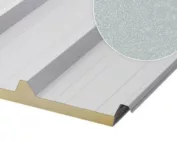
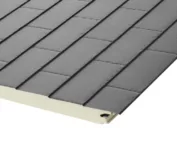
Budget planning
Choosing a supplier for sandwich panels and trapezoidal steel sheets for an extension
In brief
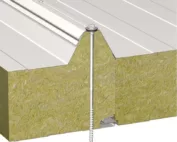
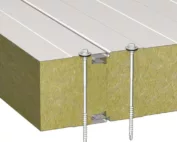
When extending, compatibility of the new material with the existing building and the sequence of deliveries are important. A wide choice of colours alone does not solve these tasks. A good enquiry should cover panels, sheets and installation components. This lets you compare a scope that will allow you to complete the stage of works without unnecessary breaks. Start with a list of materials needed for the specific stage. Separate roof panels, wall panels and protective sheets. Specify thicknesses, cover widths and lengths. On the existing building, also check the connection profile. Not every new component will fit what was installed earlier.
Does the offer match the layout of your building?
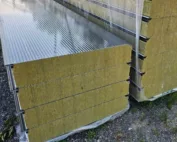
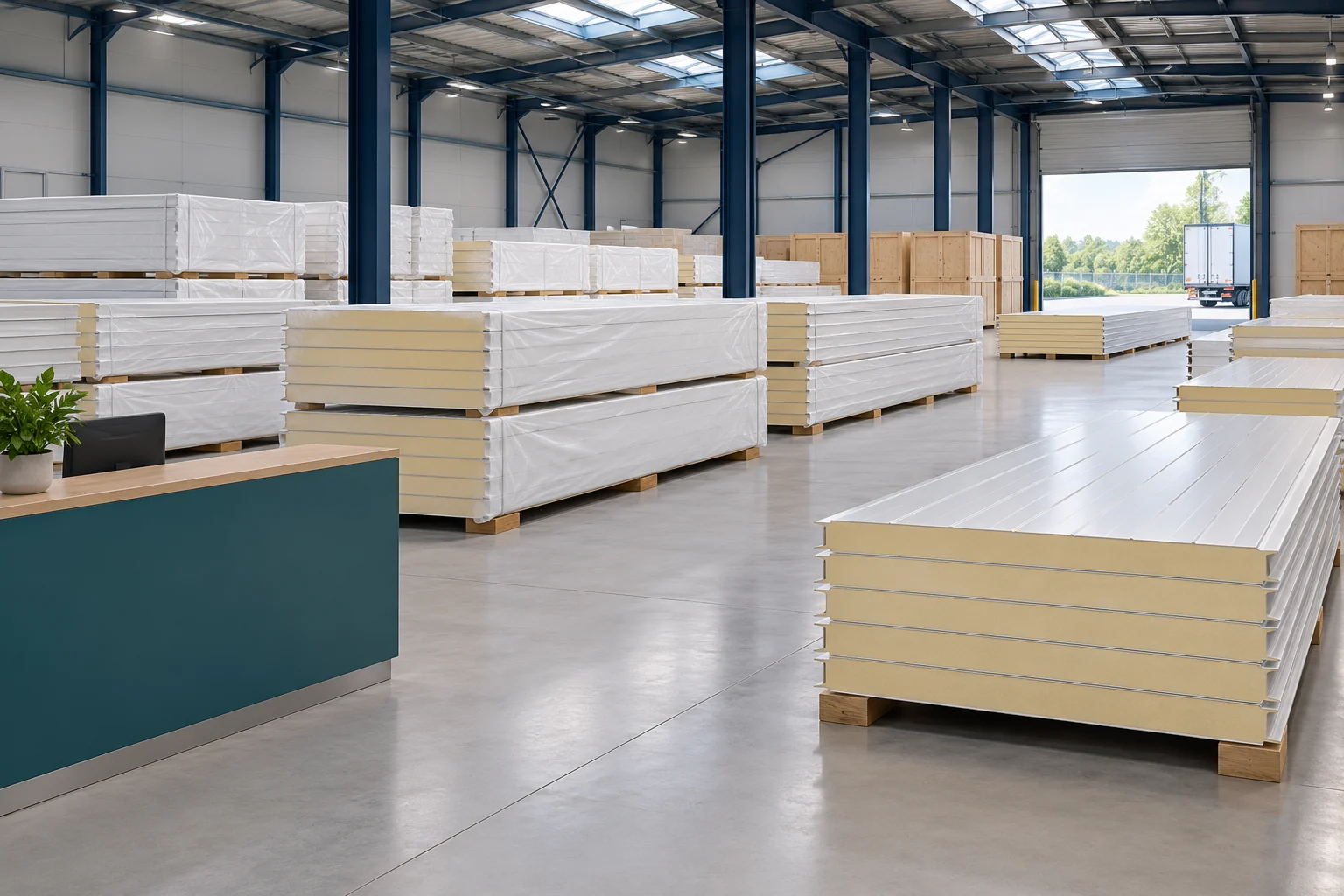
A large number of items on the page does not confirm immediate availability. In your enquiry, ask about the stock of specific dimensions and the lead time for preparing missing elements. For material cut to length, the date of cutting list approval is important. The order may be launched from that date.
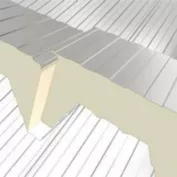
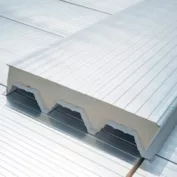
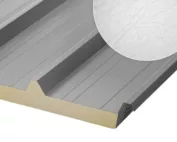
Separate the offer for panels from the offer for the insulation alone. A panel with two steel facings serves a different purpose than a PIR board in foil. A similar thickness and the same core name are not enough to compare price. Check what finished assembly of the building envelope is to be created from the purchased material.
What data should you expect before ordering?
The parameters of exactly the variant that is to be delivered are needed. Core thickness, type of facings and coating should be stated in the quote. Load tables are relevant for structural selection. Fire requirements must be related to the appropriate classification and the conditions of its application.
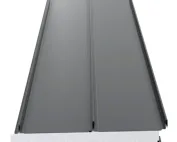
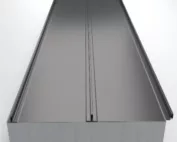
For steel sheets, check the overall and effective width. The price may refer to a different area than the one you will use on the roof. Also note the steel thickness and the type of surface protection. The profile height symbol alone does not describe all the characteristics of the sheet.
If the seller proposes an equivalent, compare the parameters point by point. A change of module can change the number of panels. A different sheet profile will affect the cutting list and flashings. Proposing a similar colour does not mean that the change is irrelevant to the structure and the work plan.
Can you order the complete scope of one stage?
Prepare a separate list of flashings, seals and fasteners. Note the dimensions of the flashings and where they are used. The general term “complete set of accessories” may mean a different scope for each party. A specific list makes it easy to spot a missing base flashing, corner or edge closure.
Check whether the lead times of all items are consistent. Delivery of panels a few days before the necessary starter flashings may not speed up construction. With several stages, a packing list by wall or field is useful. This limits the search for elements and unnecessary moving of material.
Not every accessory from a wide range will be suitable for the chosen system. This applies in particular to fasteners, seals and fixing elements. Compatibility must be confirmed in the documentation for the solution. A substitute selected solely on price may make it difficult to achieve the required airtightness.

How to check delivery logistics?
Provide the access conditions and the unloading point. A postcode alone does not show a narrow gate, a vehicle length restriction or a lack of space for turning. Long sheets require suitable equipment and work organisation. The delivery cost should clearly state whether it also includes unloading.
With an operating hall, agree the time window in which the yard can be occupied. The material should not block factory roads or access for the next crew. If the delivery is to be split, ask for the cost of each trip. Saving on storage may mean a higher transport cost.
Agree how damage is to be recorded on receipt. On unloading, the packs, the number of pieces and visible defects are checked. Photos should be taken before the material is moved. Establishing later at which stage a dent occurred is much more difficult without a record of the delivery condition.
How can you compare two quotes without being guided by price alone?
Compare the same usable area and the same scope. Include the full lengths of the ordered elements, waste and accessories. Show transport, unloading and the cost of splitting deliveries separately. Any missing item should be added before selection.
Also compare the deadline and the terms for changing the order. In an extension, the final measurement is sometimes possible only after part of the cladding has been removed. It is then important to know by when lengths can be corrected. One should not assume that material made specially to the cutting plan can be returned.
Finally, assess the clarity of the response. The quote should make it possible to establish what will be delivered, in what quantity and when. A choice based on complete data makes working with the crew easier. It also allows you to return to the arrangements when a compatible material is needed at the next stage.
Short answers from the construction site
Does buying all materials in one place always lower the cost?
Not always. It may simplify coordination, but complete quotes are worth comparing. What decides is the cost of the whole order including delivery and the compatibility of the elements, not the number of items in the quote.
Does a warehouse photo confirm the availability of my size?
No. Ask for confirmation of the specific thickness, length, colour and number of pieces. Stock levels can change, and some of the visible material may already be allocated to other orders.
7 branches. Materials closer to your project.

- SEROCK — Dzierżenin 34 E
- BŁONIE — ul. Sochaczewska 138A
- RADOM — ul. Grobickiego 8
- ŁÓDŹ — Natolin 8
- OLSZTYN — Barczewo, ul. Prosta 9
- WROCŁAW — ul. Jerzmanowska 10C
- GORZÓW WLKP. — ul. Zielona 33/34