Metal fence pickets and fences
Protecting the lower ends of metal fence pickets beside a lawn
In brief
The lowest part of the fence is often the most exposed to everyday dirt. Water from the ground, cut grass and material carried during garden work end up there. The lower ends are also easily buried when adding soil. Pickets made of sheet metal need the same attention in this zone as the attractive front. A well-planned surroundings make later maintenance of the fence easier. The clearance under the pickets should match the intended layout and the needs of the property. There is no single figure that is right for all fences. The terrain, surface, use and product documentation must be taken into account. It is worth checking whether, after the lawn or driveway has been created, the actual level has not changed relative to the plan.
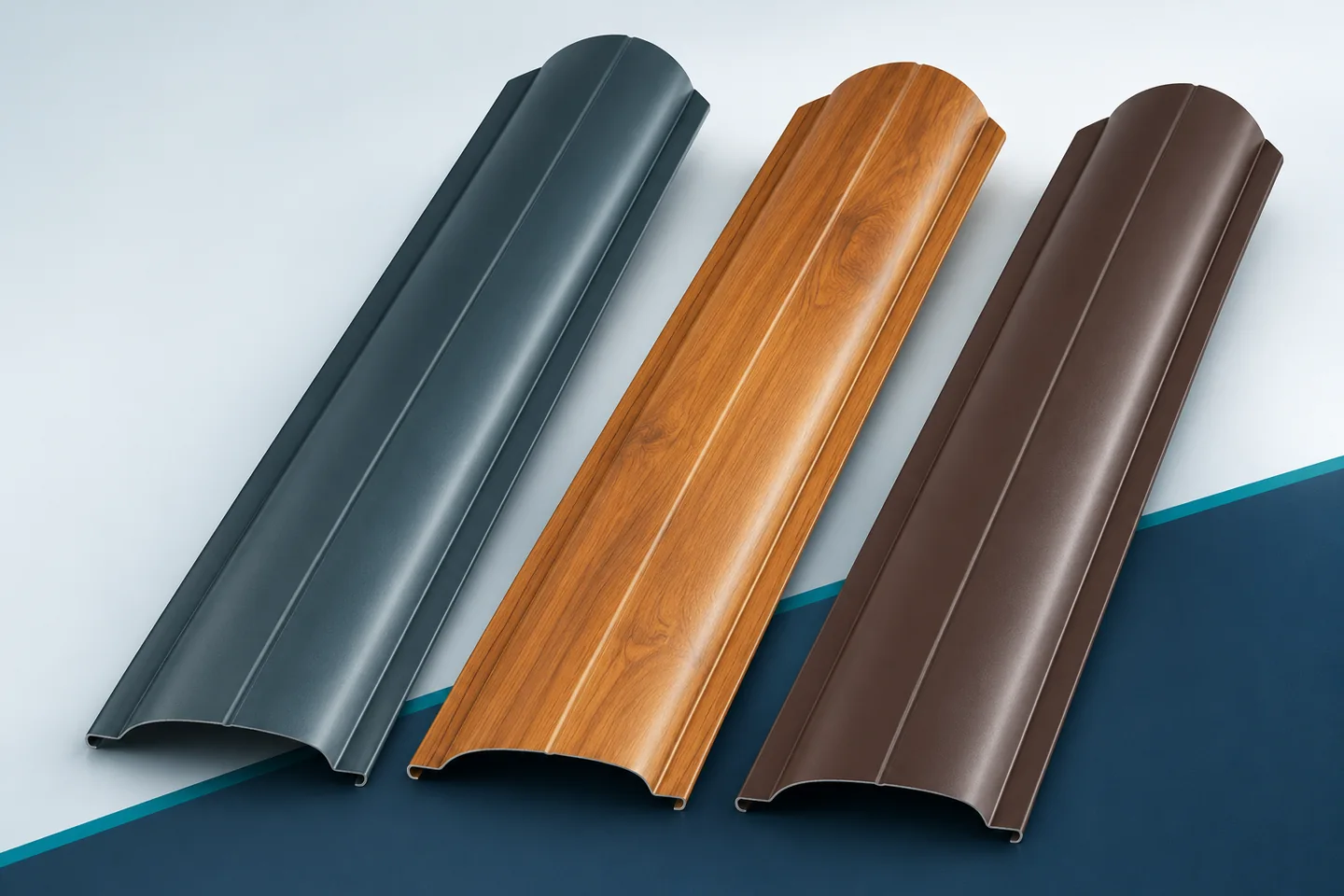
Keep the position resulting from the design
If soil has been added, do not assume it can be left against the sheet. Constant contact with damp ground may go beyond the conditions of use. The surroundings should first be corrected in line with the design. Shortening all the pickets should not be the first reaction to a change in ground level.
Remove accumulated debris without scratching the coating
Cut grass and leaves can collect at the lower edges. It is worth removing them to allow inspection and not to hinder drying. Do not pick out the debris with a sharp metal tool drawn along the paint. The thin coating requires care even when the soiling is low down and barely visible.
With two rows, check the space between them. Cleaning only the front may leave debris on the garden side. Organise access in a way that does not force the profiles to be bent back. The sheet metal pickets should not be prised apart by force just to make it easier to reach accumulated sediment.
Plan mowing so as to limit impacts
Tools and ejected particles can damage the fence surface. It is worth taking appropriate care when working near it and following the recommendations for the equipment used. The pickets should not serve as a guide for the cutting head or as a place where the machine’s guard strikes. Even slight repeated contact can leave marks.
If maintaining grass right by the fence constantly requires risky manoeuvres, it is worth reviewing how the strip of land is used. The solution should suit the property design and drainage. It is not about imposing one material for every fence. The aim is to provide convenient access without damaging the coating.
Check the direction of watering
A sprinkler aimed at a bay can regularly wet the same section. Water also leaves deposits depending on its properties. It is therefore worth observing how the irrigation behaves after the fence has been installed. Metal pickets should not be unnecessarily treated as part of the watered border.
Adjust the direction and reach of watering to suit the installation. Do not use the fence as a casual handhold without assessing the fixing. Moisture, cables and additional elements should not create a zone that is difficult to inspect. Simpler access to the lower ends makes later cleaning and inspections easier.

Watch out for fertilisers and surface treatments
Products used for the lawn, plants and driveway can reach the pickets during spreading or spraying. Limit their contact with the coating in line with the product recommendations. Do not assume that a material intended for outdoor use is resistant to every garden chemical. This is a separate matter from ordinary rain.
If soiling has occurred, follow the instructions for the coating and the product used. Do not mix further substances in order to remove the stain. If in doubt, it is worth agreeing the approach with the material supplier. Repair after aggressive cleaning can be more difficult than removing the original deposit with the right method.
Check the edges during seasonal work
During tidying, check the ends of the pickets and the areas around the lower fixings. Look for scratches, local deformation and signs of corrosion. Take a photo if the condition needs clarification. Do not paint over the whole lower zone with whatever paint is to hand just because it will not be visible from a distance.
Retouching should match the coating. If the damage includes deformation, the element and the connection need to be assessed. Replacing a single picket may be a solution, but first remove the cause of impacts or rubbing. Otherwise the new profile will quickly face the same conditions as the previous one.
Treat the strip by the fence as an area requiring access
Plants and equipment should not completely block inspection. Keep the possibility of reaching the front and the back in line with the conditions of the property. It is worth checking this already when planning the beds. Later moving of heavy pots and overgrown shrubs can make even a simple inspection difficult.
The lower part of a metal picket fence does not have to be problematic. It does, however, require a sensible connection with its surroundings. Checking the ground level, limiting accidental impacts and removing deposits help to preserve the condition of the coating. As a result, the steel sheet pickets remain attractive not only in the upper, most visible part.
During earthworks, mark the existing level at the fence. This is a simple reference point after soil has been added or the surface changed. It allows you to notice straight away that the lower part of the pickets has found itself in different conditions than before.
7 branches. Materials closer to your project.

- SEROCK — Dzierżenin 34 E
- BŁONIE — ul. Sochaczewska 138A
- RADOM — ul. Grobickiego 8
- ŁÓDŹ — Natolin 8
- OLSZTYN — Barczewo, ul. Prosta 9
- WROCŁAW — ul. Jerzmanowska 10C
- GORZÓW WLKP. — ul. Zielona 33/34