Installation and details
Planning a photovoltaic installation on a sheet metal roof
In brief
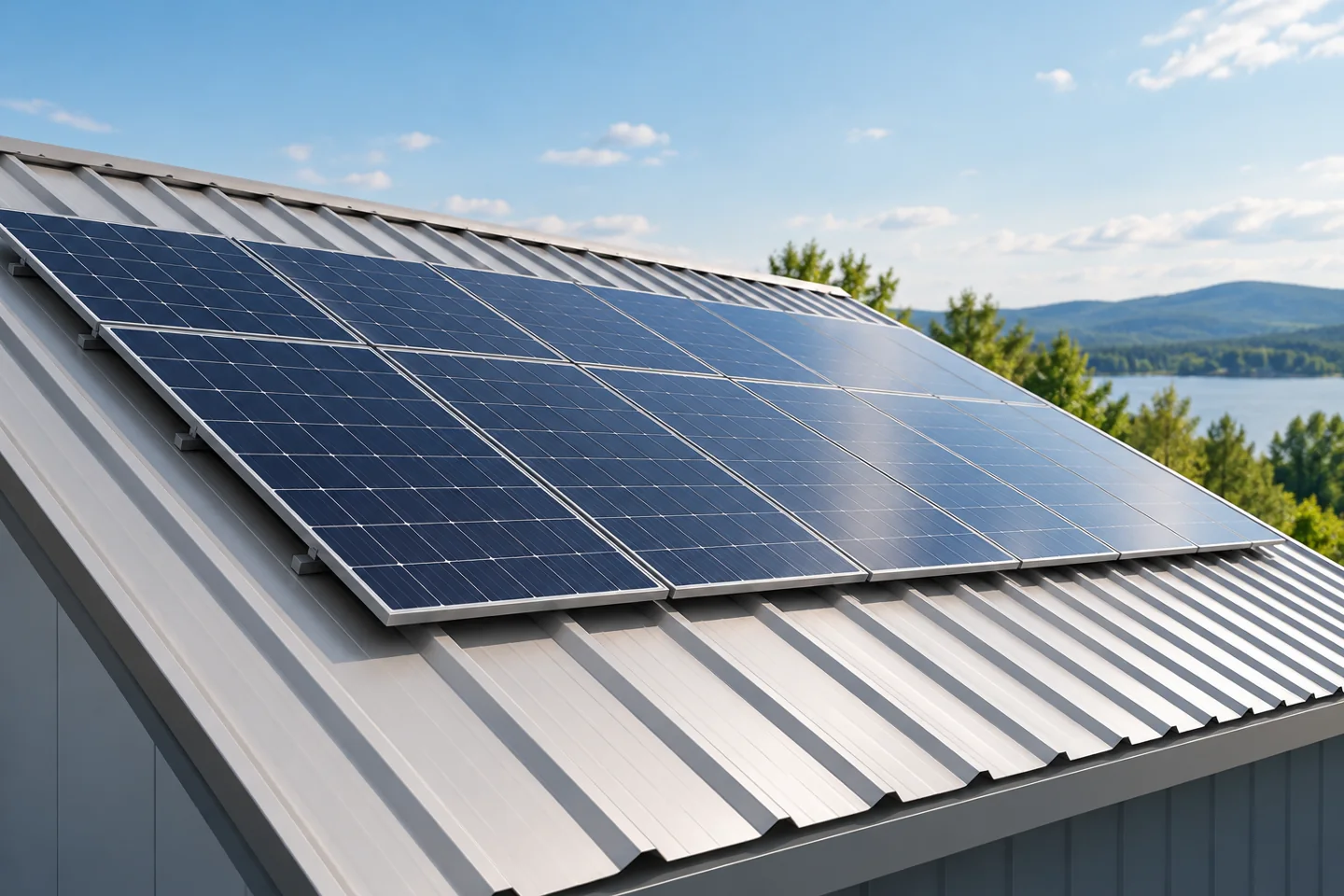
In Poland, photovoltaic panels can be combined with many metal roofs, provided the load-bearing capacity has been checked and the correct mounting system selected. Before installation, assess the condition of the covering, its connections and service access, since a later roof replacement may require removing the panels. Also check that the chosen system matches the sheet profile and the conditions specified by the mounting supplier. Leave design decisions to the designer.
Where should you start when assessing an existing roof?
First check the condition of the structure, the covering and the connections. The panels are meant to perform for many years, so mounting them on a roof that needs replacing soon may mean paying twice for dismantling later. The inspection should cover corrosion, leaks, deflections and previous alterations. Safe access to the roof slope is also important.
The load assessment covers not only the weight of the panels. Wind, snow and the forces transmitted by the mountings at specific points must be taken into account. The structure may have reserve capacity for an evenly distributed load but require checking of local connections. It is worth passing information about the planned installation to the designer already when choosing a new covering.
How is the installation fixed to trapezoidal steel sheet?
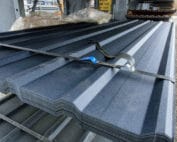
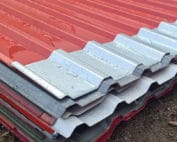
There are systems fixed to trapezoidal steel sheet by means of suitable brackets or rails. Their use depends on the geometry, the steel thickness and the conditions specified by the mounting supplier. The label T18 or T35 alone does not confirm suitability. The connection of the covering to the structure must also be checked, since it is this that transfers the resulting forces onwards.
Fixing to thin cladding without assessment can lead to its damage or the fastener being pulled out. The number of screws should not be selected solely on the basis of the photovoltaic panel width. A layout for the specific roof and wind load zones is needed. The documentation should clearly specify the conditions of use and the method of sealing the connections.
What changes with tile-effect metal roofing and sandwich panels?
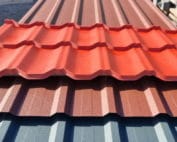
For tile-effect metal roofing, solutions are used that transfer forces to the appropriate substructure elements. The bracket must take account of the profile shape and the position of the support. Penetration through the covering requires a sealed detail. The corrugation should not be crushed to fit a random element. The choice of system should be agreed before holes are made.
A sandwich panel acts as a combined system of facings and core. The fixing of the installation must be matched to the specific panel and the principles of load transfer. The outer steel sheet is not a universal anchoring point for any device. Connections to supports and additional checks may be required, especially with long panels and significant loads.

How do you protect airtightness and the coating?
All penetrations should have a solution suited to the type of covering. Seals, contact pressure and material compatibility are important. Swarf produced during drilling should be removed immediately. Left under the installation, it will be difficult to notice and may cause corrosive deposits. Pulling cables over sharp edges should also be avoided.
Not every coating defect can be repaired by applying any given compound. Before work, establish the approved materials and the warranty conditions of the covering. Water drainage and maintaining ventilation are also important. The mounting frame and cables should not block valleys, outlets or areas that must remain accessible during roof inspection.
How should the layout and servicing of the installation be planned?
Leave the service walkways specified in the design and access to chimneys, outlets and equipment. Panel layout depends on geometry and shading, but also on safety and technical conditions. Maximum filling of each roof section is not always beneficial. Lack of access makes it harder to locate and rectify a fault later.
The electrical installation requires correct selection of equipment and execution by suitably qualified persons. For part of the installation, Polish building regulations provide for additional fire-safety approvals. These matters should not be decided on the basis of a general guide about steel sheet. Establish the scope of responsibilities for the specific capacity and building, and check the current requirements before implementation.
What should be signed off after installation?
Ask for documentation of the fixings, layout and completed penetrations. Check whether the roof has been cleaned and whether damage caused during the works has been repaired. Acceptance of the installation should be coordinated with assessment of the covering. This way, any later leak will not be passed between the roofing crew and the installation crew without establishing the cause.
Keep photos from before and after installation and the inspection instructions. During use, check both the installation and the connections to the roof. A well-chosen system allows the metal covering to be used as a solid base for photovoltaics. The condition is deliberate load transfer and careful execution of details, not merely the ease of screwing on a bracket.
7 branches. Materials closer to your project.

- SEROCK — Dzierżenin 34 E
- BŁONIE — ul. Sochaczewska 138A
- RADOM — ul. Grobickiego 8
- ŁÓDŹ — Natolin 8
- OLSZTYN — Barczewo, ul. Prosta 9
- WROCŁAW — ul. Jerzmanowska 10C
- GORZÓW WLKP. — ul. Zielona 33/34