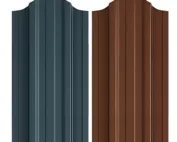
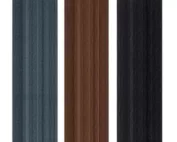
Metal fence pickets and fences
Extending a fence: matching new metal pickets to existing ones
In brief
An extra gate, an extended boundary or replacing a few bays often means ordering additional pickets. The hardest part is usually maintaining consistency with the existing fence. The same colour name does not describe the whole product. The profile, finish and layout have to be replicated. It is worth doing this before dismantling anything, so that the new sheet-metal pickets do not turn out to be merely a similar substitute. Look for the invoice, specification, labels and material data sheet. Check the profile name, width, lengths and type of end. If the documents are incomplete, take photos from the front and from the back. A view of the end of a picket helps identify the profile better than a photograph of the whole fence from the street.
Reconstruct the details of the first order
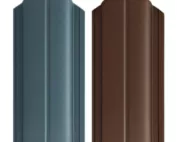
Do not assume that the supplier’s current offer is identical to the one from a few years ago. Profiles and available coatings may change. Ask for confirmation that the supplied variant is compatible. The information “we have graphite pickets” does not yet resolve the question of matching the material.
Check the geometry on the actual component
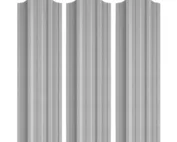
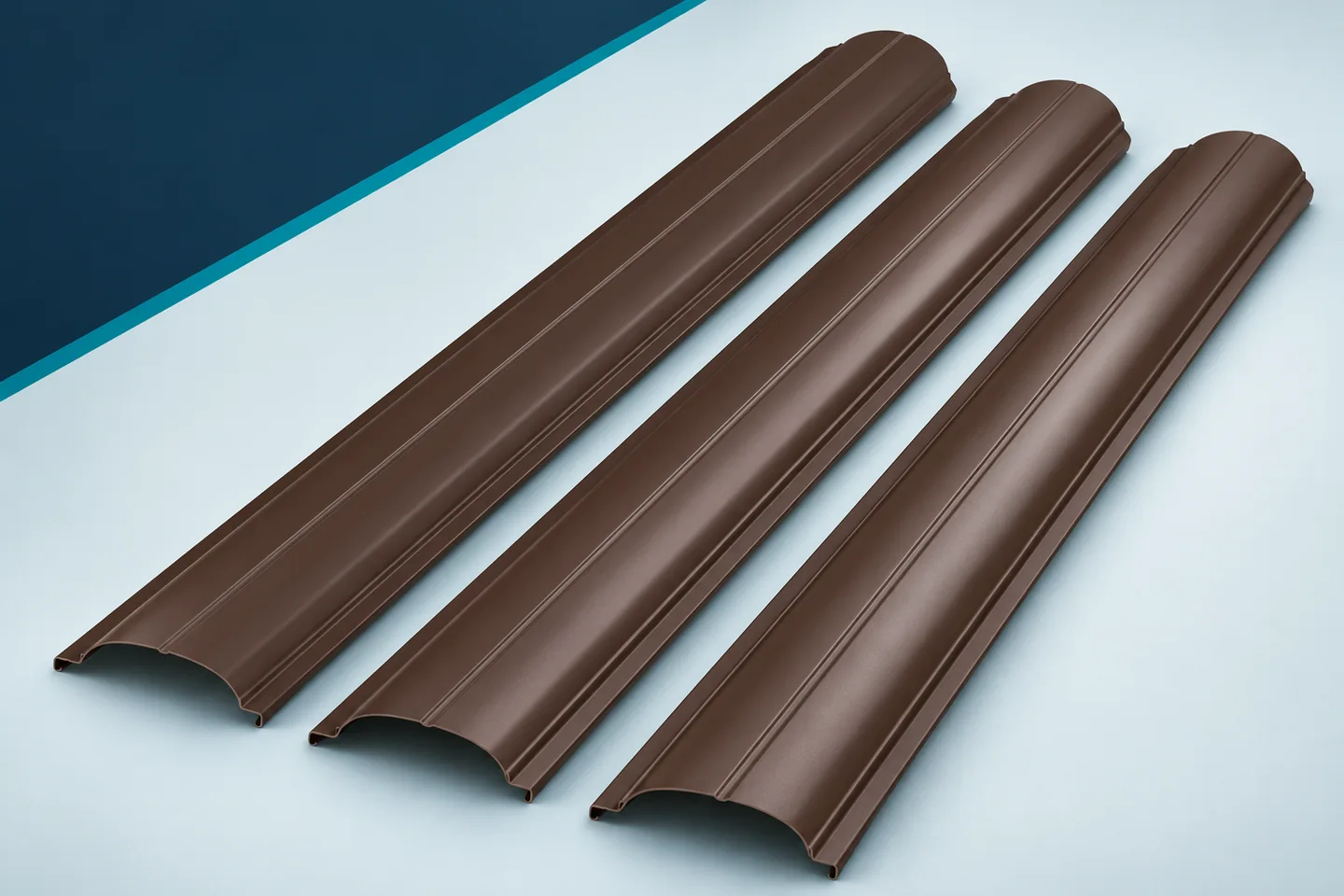
Measure the front width and examine the embossing. The profile depth and the side fold also matter. A difference can change the appearance from the back and the method of fixing. Two products of similar width do not always produce the same rhythm of shadows. It is worth comparing samples placed side by side.
Determine the length for each planned location. In a stepped fence or one with a curved line, the dimensions vary. Do not order the entire delivery on the basis of one picket taken out. Prepare a schedule of sections with numbers. This way the measurement and the quote will refer to the same layout.
Clean the section for colour comparison
A soiled old coating may look different from the actual colour after cleaning. Use the method in accordance with the instructions and only then compare a sample of the new material. View both elements in the same light and position. Photos taken at different times of day can make assessment difficult.
Even after cleaning, a difference related to use and material batch may remain. An ideal match should not be promised without a trial. Metal fence pickets are a surface visible over a long section. It is worth assessing the effect both close up and from the distance typical for entering the property.
Take gloss, texture and the reverse side into account
A similar colour does not mean the same way of reflecting light. Matt and gloss can differ greatly side by side. The back of the fence also matters. If the existing pickets have a decorative finish on both sides, a new batch with a technical reverse may create an unwanted effect from the garden side.
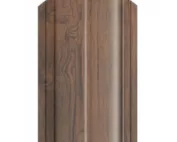
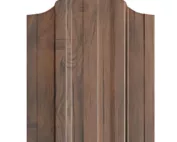
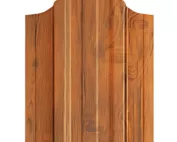
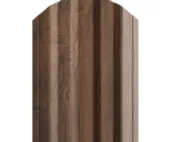
For a wood-effect pattern, compare a larger sample. The decor name does not guarantee the same pattern. Pay attention to the direction of the pattern and how it reads on the profile. Record the features of the accepted alternative in the specification. This will make delivery checks easier and reduce the need to interpret a short trade name.

Plan the junction point between stages
If full consistency is not possible, it is worth making a conscious decision about how the sections are combined. A break at a fence post, gate or change of direction can organise the visual effect. This does not mean hiding the difference, but planning the composition. The solution should be accepted before installation.
Randomly mixing new and old pickets in one bay can accentuate the discrepancy. Sometimes this makes sense, but it requires viewing a sample. Do not assume that alternating placement will always neutralise the change in shade. First check the specific effect and only then distribute the material between the bays.
At the boundary between two stages, also check the outermost gaps. A new fence post may have a different dimension or position from the earlier one. The rhythm of the pickets should be calculated for the actual field, not merely copied as a number of elements from the adjacent section.
Check the compatibility of the structure and fixings
An added section needs proper support. It is not enough to copy the appearance of the old frame. Its condition and the assumptions of the new layout must be taken into account. If you change the height or density, a separate assessment is needed. Sheet-metal pickets alone do not determine the suitability of the posts and foundations.
When joining stages, maintain consistency of lines and gaps in accordance with the design. Also check the compatibility of accessories. A similar end cap or bracket does not have to fit the earlier profile. Alternatives should be assessed before ordering the entire set, so as not to improvise with fixing on site.
Keep the records of both deliveries
After extension, record which sections come from the new batch. Attach photos, the specification and material markings. This will make future replacement easier and allow different usage histories to be assessed. It is also worth keeping a sample if a further stage of fencing is envisaged. Store it in accordance with the coating recommendations.
Sheet-metal pickets allow for staged extension of a property, but aesthetics require preparation. Reproducing the profile, comparing the finish and planning how sections are joined are more important than quickly ordering a similar colour. Thanks to them, the new part becomes a consciously planned fragment of the fence.
Before starting installation, lay out a few new elements next to the existing field and confirm the decision again. This is the last convenient moment to assess consistency without dismantling and without marks from fasteners.
7 branches. Materials closer to your project.

- SEROCK — Dzierżenin 34 E
- BŁONIE — ul. Sochaczewska 138A
- RADOM — ul. Grobickiego 8
- ŁÓDŹ — Natolin 8
- OLSZTYN — Barczewo, ul. Prosta 9
- WROCŁAW — ul. Jerzmanowska 10C
- GORZÓW WLKP. — ul. Zielona 33/34