Choosing the covering
Choosing between a tile-effect metal roof and bitumen shingles
In brief
In Poland, choosing between metal roofing tiles and bituminous shingles means comparing the whole roof, not just the price of the material. The two coverings differ in their substrate and installation, so the roof geometry, ventilation and conditions of use need checking. Before renovating, assess the structure’s load capacity and every layer that makes up the complete system. The minimum pitch depends on the specific product and its instructions. The cost estimate should include transport, cutting losses and the state of the existing substrate. Finally, confirm that a team experienced in that installation is available.
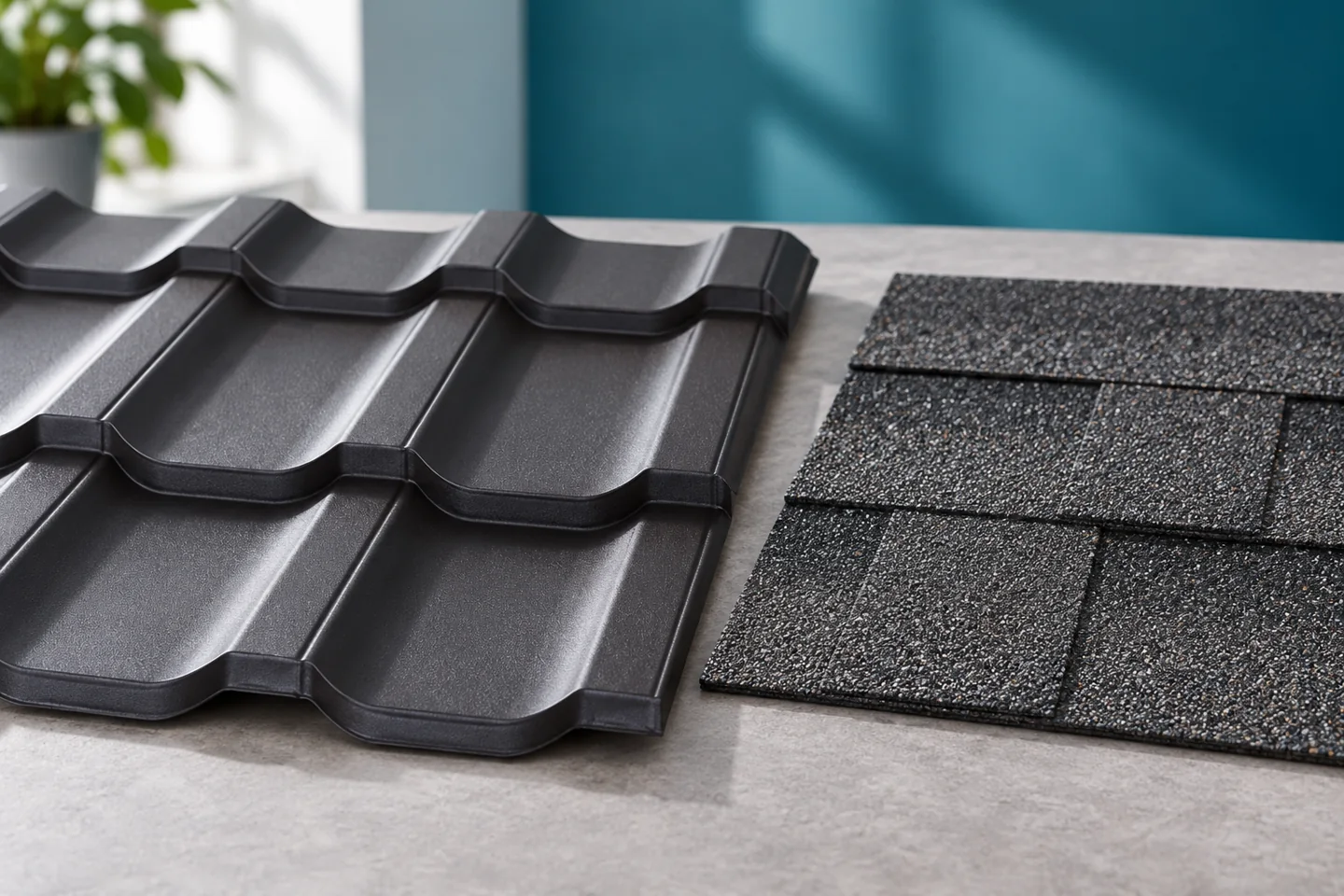
What most distinguishes the two solutions?
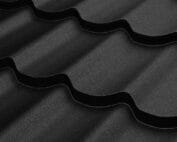
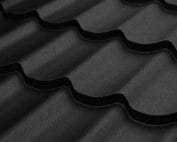
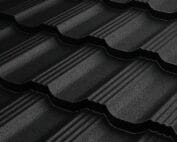
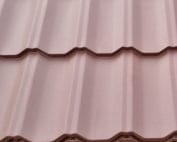
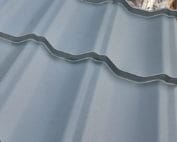
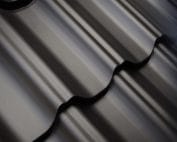
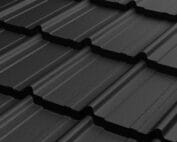
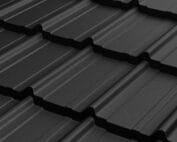
Tile-effect metal roofing is a profiled metal covering, usually laid on battens. Bituminous shingles are laid on a suitably prepared continuous deck, with the layers specified in the instructions. The difference therefore concerns more than appearance. The weight of the entire system changes, as does the amount of material beneath the covering and the way details are executed.
Before changing the solution in an existing house, the structure must be assessed. The weight of the shingles alone does not yet show how heavy the complete roof will be compared with metal on a substructure. The calculation includes the decking boards or panels and the underlay. Compare all the layers that will actually be installed on the building.
How does the shape of the roof slopes affect the choice?
On a simple roof, tile-effect metal roofing cut to size can reduce the number of transverse joints. With many changes of direction, it is worth considering modules and analysing the cuts. Shingles have a small format that helps adapt the covering to complex geometry. However, they still require a suitable substrate, a solution for the roof valleys and the execution of all penetrations.
The minimum pitch applies to a specific product and layer build-up. It should not be assumed that every shingle is suitable for a very shallow roof slope or that every tile-effect metal roofing has the same permissible pitch. The instructions may impose additional conditions for more difficult geometry, strong wind or a slight pitch.
How to compare costs without omitting the substrate?
For tile-effect metal roofing, price the sheets, the substructure, the preliminary covering, the flashings and the fixings. For shingles, include the full deck, the underlay, the starter elements, the ridge and the appropriate fasteners. Both variants need drainage and labour. Only such a comparison shows the cost of obtaining a roof with a comparable scope of work.
Add transport, cutting losses and the storage method to the price. In a renovation, the condition of the existing substrate is very important. A good deck can change the calculation, and the need to replace it can raise it. It is not worth presenting one material as always cheaper. The more favourable result depends on the building and the specification adopted.

What about noise and temperature in the attic?
Comfort is determined by the entire building envelope. Insulation, airtightness, the internal lining and the connections have a major influence on the sound reaching the rooms. Comparing a knock on a loose sample of metal and a shingle alone does not describe the behaviour of a finished roof. Where acoustic requirements are high, an assessment of the complete layer build-up is needed.
Similarly, neither of these coverings replaces thermal insulation. In a heated attic, the flow of heat and the ingress of humid air into cool areas must be limited. PIR boards can be part of such a solution if they comply with the design. Ventilation is selected to suit the roof structure, not on the basis of the colour of the covering alone.
What does maintenance and repair involve?
A metal covering requires inspection of the coating, fasteners, laps and flashings. The removal of deposits and the proper repair of localised damage are important. With shingles, the condition of the strips, the bonding and the details around penetrations are checked, among other things. The scope of work follows from the instructions and the condition of the roof, not from the belief that a given material is maintenance-free.
Replacing a section of any covering requires a matching material and an assessment of the surroundings of the defect. After years, a new element may differ in shade from the old one. It is advisable to keep the full purchase specification. In the event of a leak, the cause is established first. Sealing the visible spot without checking drainage or condensation may only postpone the problem.
How do you decide for your own home?
Check the material’s approval for the roof pitch, the structural requirements and the restrictions concerning appearance. Then order two complete cost estimates and inspect samples. When choosing tile-effect metal roofing, compare the cut variant and the modular variant. When choosing shingles, confirm the full substrate build-up and the installer’s experience with such installation.
Ultimately, what counts is a solution that can be correctly executed on the specific building. Metal is often advantageous with a lightweight structure and regular roof slopes. The small elements of shingles may suit a complicated geometry. These characteristics are worth using consciously, without claiming that one material will win on every roof and in every budget.
7 branches. Materials closer to your project.

- SEROCK — Dzierżenin 34 E
- BŁONIE — ul. Sochaczewska 138A
- RADOM — ul. Grobickiego 8
- ŁÓDŹ — Natolin 8
- OLSZTYN — Barczewo, ul. Prosta 9
- WROCŁAW — ul. Jerzmanowska 10C
- GORZÓW WLKP. — ul. Zielona 33/34