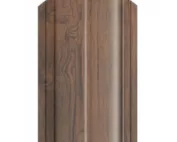
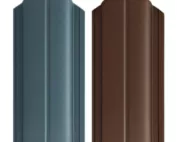
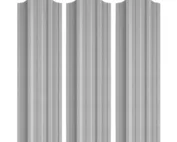
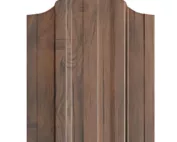
Metal fence pickets and fences
Inspecting metal fence pickets after winter, step by step
In brief
After winter, it is worth walking around the fence before plants obscure its lower part. This is not about automatically painting the whole fence. First, you need to check what actually requires attention. Metal fence pickets are best inspected together with their fixings and structure. A few orderly actions allow you to separate ordinary deposits from damage that needs to be clarified or repaired. Choose a day that allows you to walk around the fence safely. Look at it from a distance and check whether individual sections have kept their alignment. Pay attention to tilts, changes in the top line and contact between the leaves and adjacent elements. Such a view reveals problems that are not visible when focusing on a single scratch.
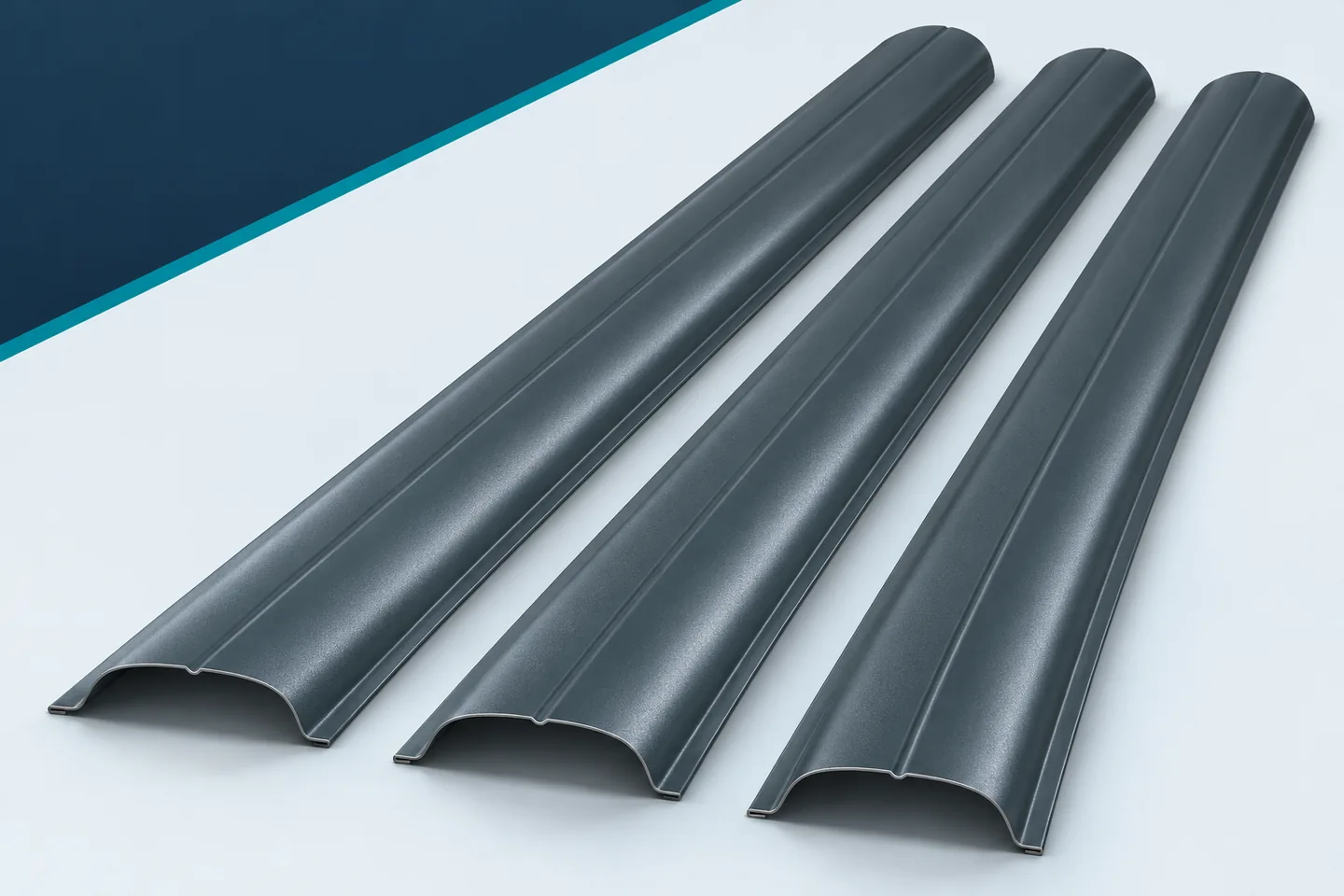
Start with a calm inspection of the entire line
Do not use the pickets as a support for climbing higher. If access is difficult, prepare the proper equipment or entrust the inspection to a contractor. Thin sheet metal infill is not a step. At this stage it is already worth noting the numbers or positions of the sections that will need a closer look later.
Take a close look at the area near the ground
The lower ends may be soiled by water splash and deposits from the surroundings. Remove loose leaves in a way that does not scratch the surface. Check whether the pickets have been buried after garden work or a shift in the ground. Their position should correspond to the design and the product’s conditions of use.
Do not correct the clearance by randomly shortening all the elements. First establish the cause of the change. It may be the ground, the setting of the structure or a new surface layer. Sheet metal pickets must be worked using the method specified by the manufacturer. Correcting the lower edge should not create another problem.
Separate deposits from coating damage
Dust, water marks and other soiling are visible on the coloured surface. Their presence does not automatically mean the material is damaged. Examine the suspect area and take a photo before cleaning. This allows the condition to be compared later. If the mark resembles corrosion, do not scrape it off immediately with a metal tool.
Begin cleaning with the method permitted for the given coating. Only on a cleaned surface can a scratch, blister or detachment be better assessed. If the instructions require water only, do not add car shampoo. The fence should not be a place for trying out random chemicals.
Check the fasteners without unnecessary tightening
Check whether the heads are in place, whether there is any deformation around the holes and whether the picket moves unusually. Compare the connections with the neighbouring ones. The difference may help to locate the problem. However, do not assume that every screw needs seasonal retightening with greater force.
Excessive pressure can damage the thin sheet metal or the joint itself. If there is play, the cause must be established. A worn hole, an unsuitable fastener and movement of the structure require different actions. Metal fence pickets should be repaired according to the identified problem, not by one method applied to the whole fence.

Also assess the back and the structure
On the property side, areas sheltered from rain may be visible. Dirt also accumulates there. Inspect the crossbars, the connections to the fence posts and the zones shaded by plants. It is worth checking whether a branch is rubbing against the coating and whether the irrigation system is directing water constantly onto one section.
Do not attribute all defects to the pickets. If a bay has changed position, the cause may lie in the supports or the substrate. Repairing the infill alone will not solve the structural problem. Any doubts about stability should be passed to the contractor, who can assess the entire fence on site.
Turn the issues you notice into specific actions
After the inspection, determine what needs cleaning, what needs consultation and what needs local repair. For each observation, record the location and a photograph. If the product is covered by warranty conditions, check the reporting procedure before intervening. Painting the entire surface may make it difficult to assess the original condition.
A small scratch and a badly bent picket do not require the same treatment. Touch-up requires a material compatible with the coating. In the case of extensive damage, replacement of a single element should be considered. A fence built from individual pickets offers this possibility, provided the replacement and the connection are correctly selected.
Finish the inspection with a short note
Record the date, the actions taken and the locations left for further assessment. In the next season you will check whether the problem has returned. Such a note helps to identify constant contact with water or recurring loosening of a connection. An extensive report is not necessary to keep a useful history of the fence. In the photographs, also show the neighbouring, correct elements. Such a comparison helps to assess the scale of the deviation and to indicate the exact location for later inspection. Keep the section markings in the same form for subsequent inspections.
Pickets made of coated sheet metal do not require automatic annual renovation. They do, however, require inspection in accordance with the instructions and responses to their actual condition. The post-winter inspection is a convenient moment for such an arrangement. It ensures that further cleaning and repairs address specific needs instead of being carried out blindly.
7 branches. Materials closer to your project.

- SEROCK — Dzierżenin 34 E
- BŁONIE — ul. Sochaczewska 138A
- RADOM — ul. Grobickiego 8
- ŁÓDŹ — Natolin 8
- OLSZTYN — Barczewo, ul. Prosta 9
- WROCŁAW — ul. Jerzmanowska 10C
- GORZÓW WLKP. — ul. Zielona 33/34