Renovation and maintenance
Sheet metal roofing complaints: tracing damage to its cause
In brief
Most complaints about sheet-metal roofing rarely stem from a single cause – they may originate in the material, transport, storage, installation or later use of the roof. Before reporting a problem, it is therefore worth establishing whether it concerns a specific detail or the entire slope, and gathering documents and installation photos. The key variable is the location of the mark and the roof’s history: a rusty spot is assessed differently from a discolouration, and differently again from an unevenness. A close-up alone is often insufficient, so a general view and the date the symptom was noticed are needed.
Does every change in appearance mean a material defect?
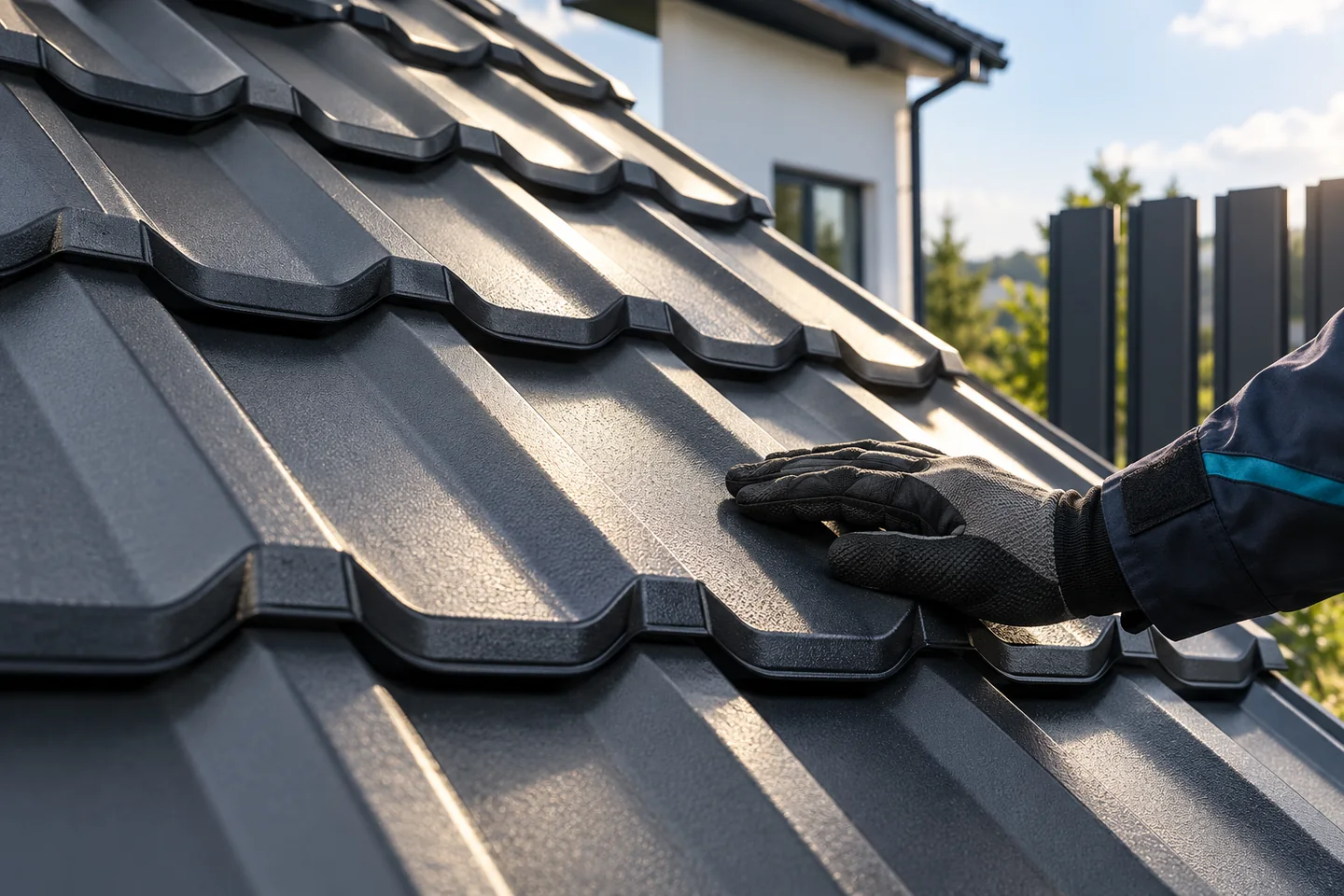
A rusty spot, discolouration or unevenness requires assessment in the context of the location and history of the roof. Swarf left after drilling may cause a different problem than damage to the coating that occurred during production. A mark where the sheet has been walked on must be considered differently from a uniform change across the entire roof slope. A single close-up photograph is often not enough.
For a report, an overall view, the exact location and the date the symptom was noticed are useful. It is worth describing earlier work, cleaning and weather events. Not every defect should be assumed in advance to be the fault of the manufacturer or the roofer. Identifying the cause makes it possible to determine the correct method of repair and the party to whom the matter should be addressed.
How do transport and storage affect the surface?
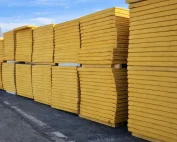
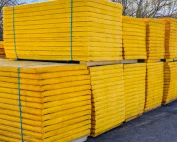
Long sheets can be bent during improper lifting, and the coating scratched when elements are slid over one another. Inspection at acceptance is therefore important. Damage visible on the pack is worth documenting before unpacking. This makes it easier to reconstruct at which stage the problem arose and what material was actually delivered.
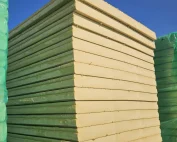
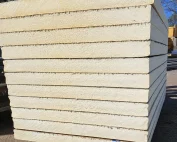
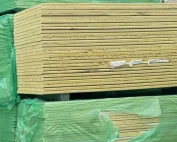
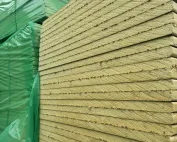
Moisture trapped between the sheets is another cause of changes. Transport packaging does not allow storage for an arbitrarily long time without checking the conditions. The rules for support, ventilation and removal of the protective film appropriate to the product must be observed. Deadlines from one instruction do not automatically apply to all tile-effect metal roofing, trapezoidal steel sheet or sandwich panels.
What installation errors can become apparent later?
Improper cutting and left-behind swarf can lead to surface damage. Poorly seated screws, incorrect laps and flashings can cause leaks. The problem is sometimes initially invisible and only becomes apparent with a specific rain direction or after a change in temperature. Acceptance should therefore cover the details, not only the general evenness of the roof slope.
Mismatched support spacing or missing required fastening can result in deformations and movement of the connections. This also applies to sandwich panels, whose parameters depend on the facings, the core and the support scheme. A solution from a similar product must not be transferred without verification. Photographs from the installation help later to assess elements concealed by the finished covering.

When is the problem related to moisture and use?
Moisture inside does not always mean water penetrating through the sheet. Condensation may result from a leak in the layer on the room side or from an incorrect ventilation arrangement. Wet insulation requires identification of the source of moisture. Further sealing of the external laps need not then bring improvement.
Surface condition is also affected by dirt, aggressive cleaning agents and contact with incompatible materials. Work carried out later by installers may leave swarf or damage fixings. It is worth documenting every intervention on the roof. This makes it possible to link a new symptom to an actual change and avoid repeating repairs that do not remove its cause.
How should a factual report be prepared?
Gather the sales document, the order, the product designation and the batch number if available. Add the instructions and the documentation of installation and inspections. Describe the symptom in simple words: where it occurs, since when and under what conditions. Instead of merely stating that the roof is defective, give the specific locations of the leak, deformation or coating change.
Before a larger repair, agree the method of inspection with the party handling the claim. Further damage must be limited at the same time where the situation requires it. Record the scope of the emergency protection and take photos before any intervention. The warranty conditions and other grounds for pursuing claims may differ, so not every claim should be equated with the same procedure.
How can the risk of similar problems be reduced?
The most effective measures are an accurate order, checking the delivery and installation in accordance with the documentation for the specific product. It is worth choosing a contractor familiar with the given system and agreeing acceptance of the layers before they are covered. After completion of the works, the recommended inspections and a quick response to the first damage are needed. The popularity of tile-effect metal roofing or trapezoidal steel sheet does not exempt anyone from these rules.
Well-kept documentation also helps when the cause is an actual material defect. It makes it easier to identify the product and to separate it from other factors. A complaint should lead to establishing the source of the problem and to a permanent solution. Merely painting over the mark, replacing a random screw or another sealing without diagnosis often leaves the most important question unanswered.
7 branches. Materials closer to your project.

- SEROCK — Dzierżenin 34 E
- BŁONIE — ul. Sochaczewska 138A
- RADOM — ul. Grobickiego 8
- ŁÓDŹ — Natolin 8
- OLSZTYN — Barczewo, ul. Prosta 9
- WROCŁAW — ul. Jerzmanowska 10C
- GORZÓW WLKP. — ul. Zielona 33/34