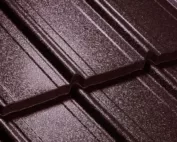
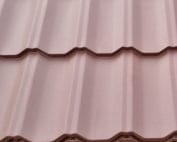
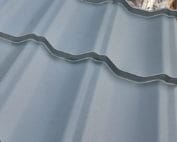
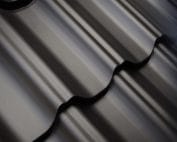
Tile-effect metal roofing
Four comparisons to make before ordering tile-effect roofing sheets
In brief
Before measuring the roof, compare four elements: how the product fits the slope, the core and coating material, the sheet format, and the full cost of the covering. These determine whether a metal roof tile is suitable, not the appearance of the sample alone. A reliable quote requires a plan, the pitch and the dimensions of the slopes, as well as details of chimneys, windows, valleys and planned installations. Without this data it is hard to assess the cutting layout, the number of flashings and the scope of work. It is also worth agreeing with the designer or contractor which items every quote must include so the comparison is complete.
Why start with the roof data?
Without a plan, pitch and roof slope dimensions, it is difficult to prepare a reliable quote. Chimneys, windows, roof valleys and planned installations also matter. These elements affect how the material is cut, the number of flashings and how the work is carried out. A preliminary price calculated only from the house footprint does not describe the cost of the roof covering.
When replacing an old material, an assessment of the structure and the layers beneath it is also needed. Lightweight tile-effect metal roofing does not repair damaged battens or moisture problems. Before you start comparing patterns, establish the scope of work with a designer or contractor. It will then be clear which items must appear in every quote.
First thing: does the product suit the roof slopes?
Check the permissible pitch and the rules for making connections for the specific tile-effect metal roofing. The data for one model does not automatically apply to the whole group of coverings. The support arrangement also matters. The batten spacing should correspond to the geometry of the profiles and to the instructions, not to habits from a previous build.
Assess the availability of flashings, ventilation solutions and accessories. Roof steps, chimney platforms and snow guards may be needed. Their fastenings must match the profile. A covering well suited to the roof slope allows all details to be executed in an orderly way. An attractive sheet appearance alone does not provide that certainty.
Second thing: what material is the sheet made of?
Compare the parameters of the steel core and of the metallic and organic coating. Information about colour does not replace a description of the protection. Resistance appropriate to the building environment and the warranty conditions are important. For a location by the sea or near a source of pollution, particularly careful matching of the variant is needed.
Check whether the stated protection period refers to corrosion, appearance or both across different ranges. Read the installation and maintenance requirements. It is not worth buying material on the basis of the warranty length alone. A clear specification makes it easier later to check the delivery and clarify any discrepancy.

Third thing: which format makes installation easier?
Sheets cut to size are worth pricing precisely for simple, regular roof slopes. The length is selected for the roof taking into account product and transport restrictions. Space for unloading and a method of handling the material without bending the sheets must be provided. Long sheet metal requires a different organisation from small elements.
Modules are convenient to handle and can make work easier on roofs with many changes of pitch. However, they have their own rules for joining and setting out successive rows. No format eliminates waste entirely. It is best to compare cutting layouts for the same roof and to discuss both options with the team that will actually be installing the covering.
Fourth point: how much does a complete solution cost?
First, establish the unit of price. A full sheet metre, an effective covering metre and a price per module are different bases for calculation. Check the material quantities and the same coating in the offers being compared. Otherwise, a seemingly cheaper proposal may cover a smaller scope or a weaker variant of protection.
Add flashings, screws, seals, ventilation and other accessories to the price of the steel sheet. Include delivery, unloading, labour and VAT according to the terms of the specific sale or service. Establish what the measurement covers and who is responsible for the bill of materials. Only the full cost provides a basis for choice, not a single figure from a price list heading.
How can you check whether the decision is ready to order?
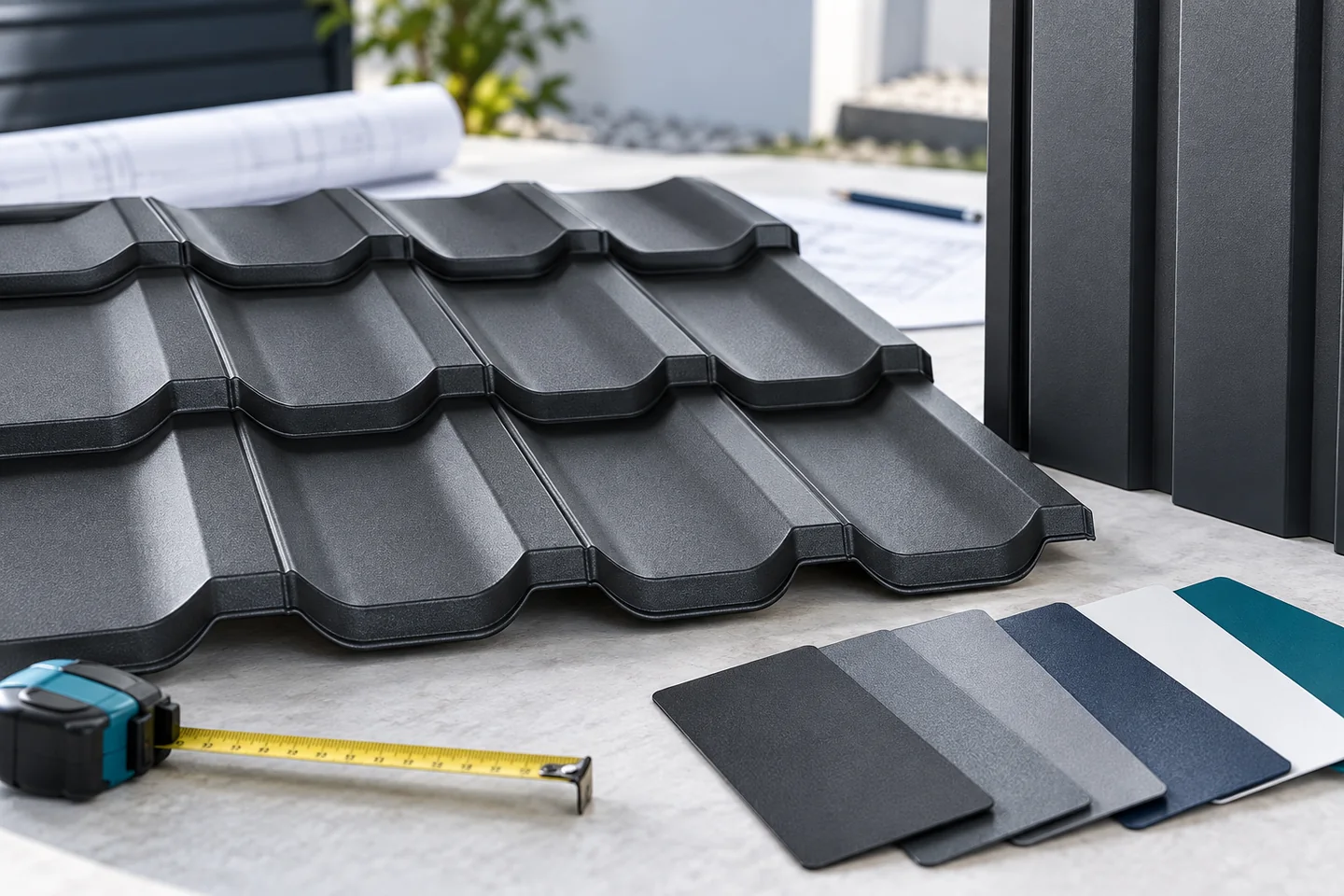
Finally, assess the sample in daylight and compare it with the façade and the windows and doors. Check the profile from a greater distance, because the wave pattern across the whole roof looks different from a small piece of steel sheet. Appearance matters, but it is worth making this decision after confirming the parameters and the possible applications.
In the order, record the exact product, format, coating, colour, quantities and delivery date. Confirm the storage conditions and how the packages are to be checked on receipt. Keep the offer and the product documents. The four comparisons then lead to a specific choice: a covering matched to the roof, the material, the organisation of the build and the entire budget.
7 branches. Materials closer to your project.

- SEROCK — Dzierżenin 34 E
- BŁONIE — ul. Sochaczewska 138A
- RADOM — ul. Grobickiego 8
- ŁÓDŹ — Natolin 8
- OLSZTYN — Barczewo, ul. Prosta 9
- WROCŁAW — ul. Jerzmanowska 10C
- GORZÓW WLKP. — ul. Zielona 33/34