Insulation and ventilation
Choosing insulation for the roof structure
In brief
The choice of roof insulation depends mainly on where the boundary of the heated part of the building runs. Check whether the loft will be usable or remain an unheated attic, as this determines the scope of insulation. Pay attention to the continuity of the thermal layer, including the knee walls, stairs and access to the attic. When selecting a material, compare lambda, thickness, reaction to fire, acoustics and installation requirements. PIR boards are worth considering where there is insufficient space for a thicker layer. Make the decision before ordering the material.
Should the roof slope or the ceiling under the loft be insulated?
If the attic remains unheated and will not become usable living space under the roof, the thermal boundary may run along the ceiling above the top floor. Insulating the entire roof slope is then not always necessary. If you plan rooms under the roof, the insulation must cover their external enclosure. It is worth making the decision before ordering the material.
Knee walls, stairs and attic access also matter. No uninsulated section should be left simply because it is hard to notice from the room. Heat escapes across the entire boundary of the heated space. It is worth marking its continuous course on the plan, and only then choosing the technology.
What to compare beyond board thickness?
The thermal conductivity coefficient, lambda, describes a property of the material. Thickness together with lambda affects the resistance of the layer. Two insulations of the same thickness can therefore perform differently. To assess a finished roof, however, the U-value of the entire assembly is needed, taking account of thermal bridges and the other components.
Also check the product’s intended use, reaction to fire and installation requirements. Insulation under screed needs different mechanical properties than infill between rafters. In the loft, acoustics also matter. Low lambda is an advantage, but it does not answer every question about comfort and safety.
When are PIR boards particularly useful?
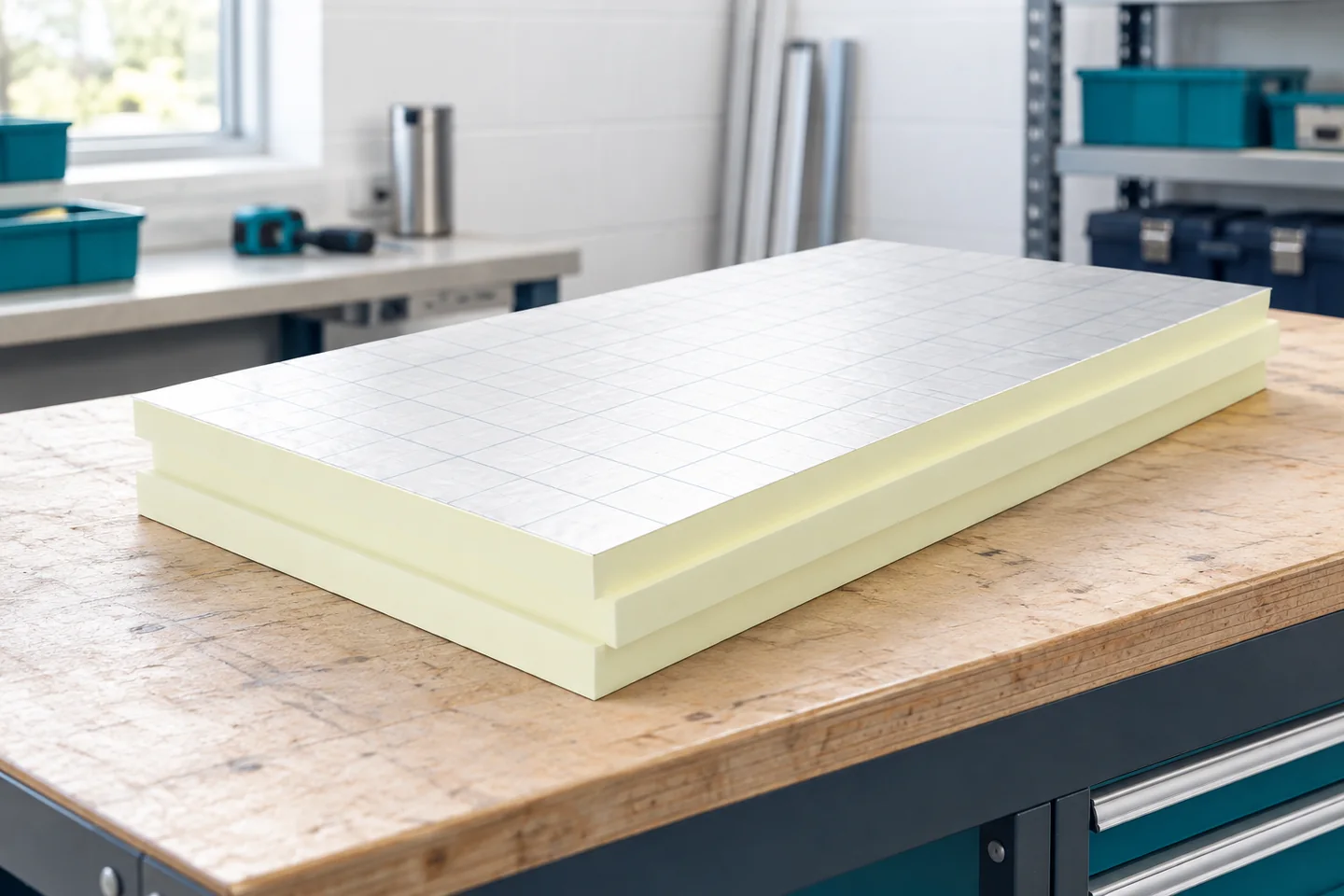
PIR is worth considering where there is no room for a thick layer. This may apply to loft renovation, junctions at windows or the height of flashings on a flat roof. In suitable assemblies, the boards form continuous insulation above the rafters. This limits the influence of timber elements cutting through the thermal layer.
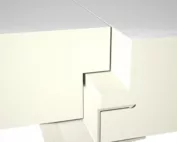
The right facing and fixing method must be selected. A board intended under waterproofing is not automatically suitable under every render or adhesive. A rigid material requires precise fitting on an uneven substrate. Tongued-and-grooved edges help with the joint, but do not eliminate errors caused by large gaps and badly cut corners.

When can other materials be more advantageous?
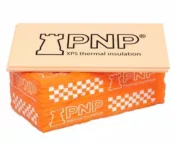
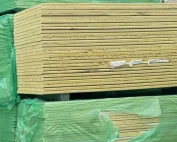
Mineral wool is useful in assemblies requiring good fire and acoustic properties. Its flexibility can make it easier to fill the spaces between roof truss elements. EPS is sometimes an economical choice if the assembly and available height allow the required thickness. XPS has variants intended for particular moisture and pressure conditions.
It is not worth transferring one advantage to the whole application. A material with low water absorption does not replace waterproofing, and a hard board does not have to withstand any load for years. Each variant must be assessed in its intended location. Different materials can work within one roof if the design correctly resolves their connections.
How to plan airtightness and moisture control?
From the interior, a properly designed layer limiting vapour and air flow is required. Its joints at walls, windows and services are as important as the centre of the surface. Leaks can carry moist air into cooler layers. Additional centimetres of insulation do not repair such places.
From the outside, protection against water and the possibility of drying in accordance with the system must be ensured. In a ventilated roof, the gap must not be closed with insulation. With existing boarding and a tight substrate, it is necessary to identify the layers before renovation. Changing the material without checking diffusion can worsen the conditions for the timber.
How to prepare the order and acceptance?
The order should specify the product, lambda, thickness, format and edge type. Calculate the coverage area and waste resulting from the geometry. Include tapes, fasteners, adhesives and finishing in the budget. For boards, also check the pack sizes and delivery conditions, which can significantly affect a small order.
During acceptance, the continuity of the insulation, gaps and connections of the protective layers are inspected. It is worth taking photos before covering. When services are installed later, the compromised airtightness must be restored. A well-chosen material only works effectively once correctly installed, which is why the choice of insulation and the installation method should be a single decision.
7 branches. Materials closer to your project.

- SEROCK — Dzierżenin 34 E
- BŁONIE — ul. Sochaczewska 138A
- RADOM — ul. Grobickiego 8
- ŁÓDŹ — Natolin 8
- OLSZTYN — Barczewo, ul. Prosta 9
- WROCŁAW — ul. Jerzmanowska 10C
- GORZÓW WLKP. — ul. Zielona 33/34