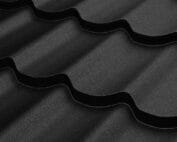
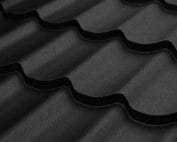
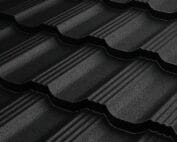
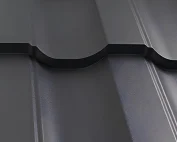
Tile-effect metal roofing
What affects the durability of a tile-effect metal roof?
In brief
In Poland, the durability of a metal roof tile depends primarily on the quality of the steel, the type of surface protection, environmental conditions and the care taken in roof installation. Before buying, check the product specification: the nominal thickness of the steel core, the type of metallic and organic coating, and the compatibility of accessories. Colour alone or a trade name for a standard is not enough, because a long warranty period does not mean no maintenance is needed, nor that the colour will remain unchanged throughout that time. Coating parameters should be assessed together with the intended use of the covering and environmental conditions, not solely on the number of years in the offer headline.
What parameters should be checked in the specification?
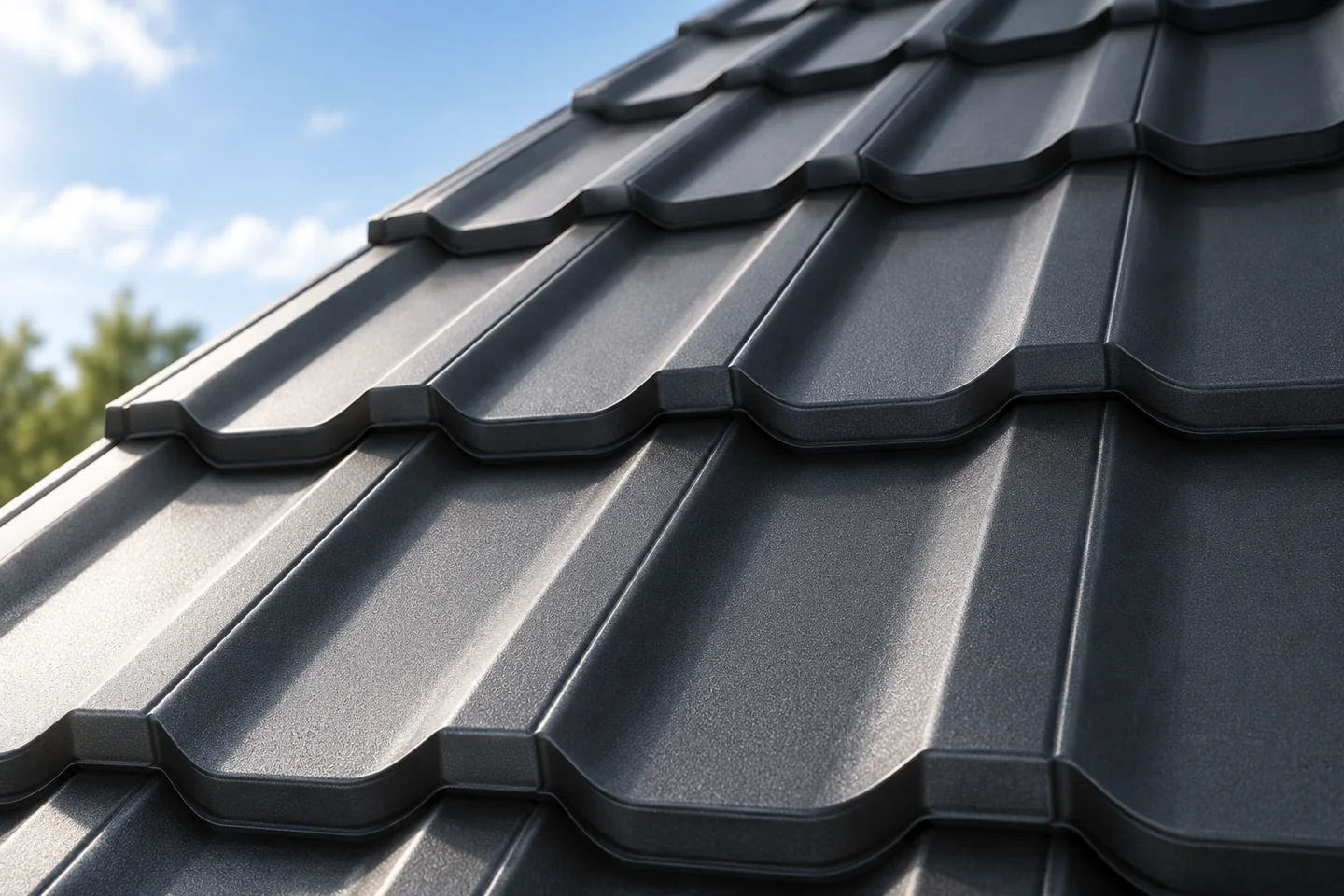
Begin by identifying the product, the nominal thickness of the steel core and the type of coatings. Colour alone or a commercial designation of standard is not enough. Metallic protection protects the steel, while the organic layer provides appearance and additional resistance. The parameters of these parts should be assessed together with the intended use of the covering and the environmental conditions.
Compatibility of accessories is also important. Flashings and fasteners should match the covering in terms of material, protection and method of working. A set of random components can create weaker points despite the good quality of the main sheets. Before purchase, ask for a complete specification that can later be compared with the actual delivery.
How does loss of colour differ from technical damage?
A slow change of shade or gloss is a different phenomenon from corrosive perforation. Warranty conditions often separate the aesthetic and technical scope. Protection periods and assessment criteria may differ. Therefore, the number of years in the offer heading should not be the sole basis for choosing between two coatings.
Solar radiation, dirt and the local environment affect the appearance of the surface. Dark and light colours may behave differently thermally, but colour alone does not determine overall resistance. Check the documentation for the specific coating. It is not worth attributing the same properties to every matt finish or treating gloss as a sign of lower quality.
What mistakes occur even before installation?
Long storage of wet sheets in a closed pack promotes surface problems. Support, ventilation and water drainage are important. The protective film is not storage protection for an arbitrary period. The instructions specify the conditions and the deadline for its removal. It is worth checking these at the time of delivery, especially if installation is to be delayed.
When handling, panels should not be bent or dragged over one another. A scratch in the coating on the edge may be overlooked when the material is quickly stacked. Long sheets require an appropriate number of support points. Good organisation of delivery protects durability just as realistically as the choice of a more expensive protective layer.

What matters most during execution?
An even substrate and the correct batten spacing allow the covering to be installed without forced deformation. Fasteners must hit the intended locations and have the correct pressure. Holes and laps must not be made at random. Installation should correspond to the specific profile, regardless of the team’s previous experience with another tile-effect metal roofing.
Tools approved for coated steel sheets are used for cutting, and swarf is removed from the surface. Flashings should direct water without creating pools. The required ventilation conditions must also be maintained. If moisture persists permanently under the covering, a good coating alone will not solve the problem of the entire roof system.
How should the roofing be maintained during use?
Regularly inspect the areas accessible from a safe position and arrange for the details to be checked. Remove leaves and deposits from the drainage. Cleaning should correspond to the recommendations for the given coating. Do not use aggressive chemicals or sharp tools without confirming compatibility. In case of doubt, first determine the type of soiling and the possible removal method.
After strong wind or work by other teams, it is worth checking for new damage. Installing an antenna, panels or a ventilation chimney can disturb earlier connections. Small scratches are repaired with a compatible preparation within the required scope. Large areas painted with an arbitrary paint may look different and require a separate assessment of adhesion and preparation.
When should repair be considered and when replacement?
A local defect does not automatically mean the entire roof must be replaced. Repairs to flashings, fasteners or individual sheets are possible. First, however, it must be determined whether the problem results from damage, poor installation or wear of a larger part of the covering. A recurring leak after repeated temporary fixes requires a broader diagnosis.
When deciding, compare the condition of the structure, insulation and drainage. Replacing only the tile-effect metal roofing may not be enough if the layers beneath it are faulty. Retained documentation helps to select a compatible material and assess the conditions of any claim. The best basis for planning durability is proper specification and inspections, not a single promised number of years.
7 branches. Materials closer to your project.

- SEROCK — Dzierżenin 34 E
- BŁONIE — ul. Sochaczewska 138A
- RADOM — ul. Grobickiego 8
- ŁÓDŹ — Natolin 8
- OLSZTYN — Barczewo, ul. Prosta 9
- WROCŁAW — ul. Jerzmanowska 10C
- GORZÓW WLKP. — ul. Zielona 33/34