Sandwich panels
Streaks on a barn ceiling after cleaning. How can you trace their source?
At a glance
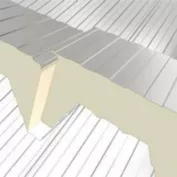
A dark streak has reappeared on a barn ceiling panel that had already dried. Before arranging another wash, use the first photograph to retrace when the mark became visible. Was it there before work started, did it appear as the panel dried, or did it first show up the next morning? Does it cross several panels or always start at the same trim? These observations help you decide whether to review the cleaning method or ask the person responsible for the building envelope to inspect the detail. Here is how to keep a record of one recurring streak.
Record exactly where the streak lies
Choose a fixed reference such as the corner beside the gate. Record the row and count the panels from that corner. Draw an arrow on the sketch to show which way you were facing.
Take one photograph of the whole panel and a second showing the start and edge of the streak. Include a joint or trim so you can locate the same patch later. Use a position from which you can take both photographs safely.
Compare three points in time
Compare the surface before washing, once dry and when the mark next appears. If you have no photograph from before cleaning, flag that gap in your record. At the next scheduled wash, take the baseline picture before wetting the surface.
A change in lighting can make an old difference in sheen easier to see. Where practical, return at a similar time of day and take the photograph from the same spot. Record separately whether you can actually see droplets or a wet edge.
Trace the mark across the panels
Follow both ends of the streak. If it crosses the centres of adjoining panels and stops where the crew finished work, record that coincidence. It gives you a specific section to discuss with the crew when reviewing washing and rinsing.
If the streak always begins at one joint, identify that particular joint. Tell the maintenance team whether neighbouring joints were dry at the same time. They can then compare details on site and investigate how moisture reached the area.
Check how the area was cleaned
Check the cleaning record for the product name, application method and rinsing details. Compare them with the care guidance for the installed facing and the cleaner’s instructions. Ask the contractor to fill in any missing information.
If the manufacturer permits a cleaning trial, choose a small patch clear of the joint and leave an adjacent area for comparison. Assess both when dry. Record what changed inside the trial patch and how the neighbouring surface looked.
What should you include in a service request?
Send the sketch, dated photographs and the facing designation if known. State whether the streak also returned on a day when no cleaning took place. The building’s work schedule can help confirm that detail.
If fresh moisture or a damaged edge is visible at a trim, leave that spot out of further wet cleaning pending inspection. Keep the trim in place when taking photographs. Show its position and the condition visible from the accessible side.
When should you return to the marked spot?
After an agreed change to the cleaning process or a repair, record the date and the work carried out. Photograph the same panel once dry, then return at the time when the streak previously appeared.
A note such as “dry at Monday morning’s inspection” records exactly what you observed. If the streak returns, add the next picture to the same sequence. The maintenance team can follow a single event over time and see which measures have already been tried.
7 branches. Materials closer to your project.

- SEROCK — Dzierżenin 34 E
- BŁONIE — ul. Sochaczewska 138A
- RADOM — ul. Grobickiego 8
- ŁÓDŹ — Natolin 8
- OLSZTYN — Barczewo, ul. Prosta 9
- WROCŁAW — ul. Jerzmanowska 10C
- GORZÓW WLKP. — ul. Zielona 33/34